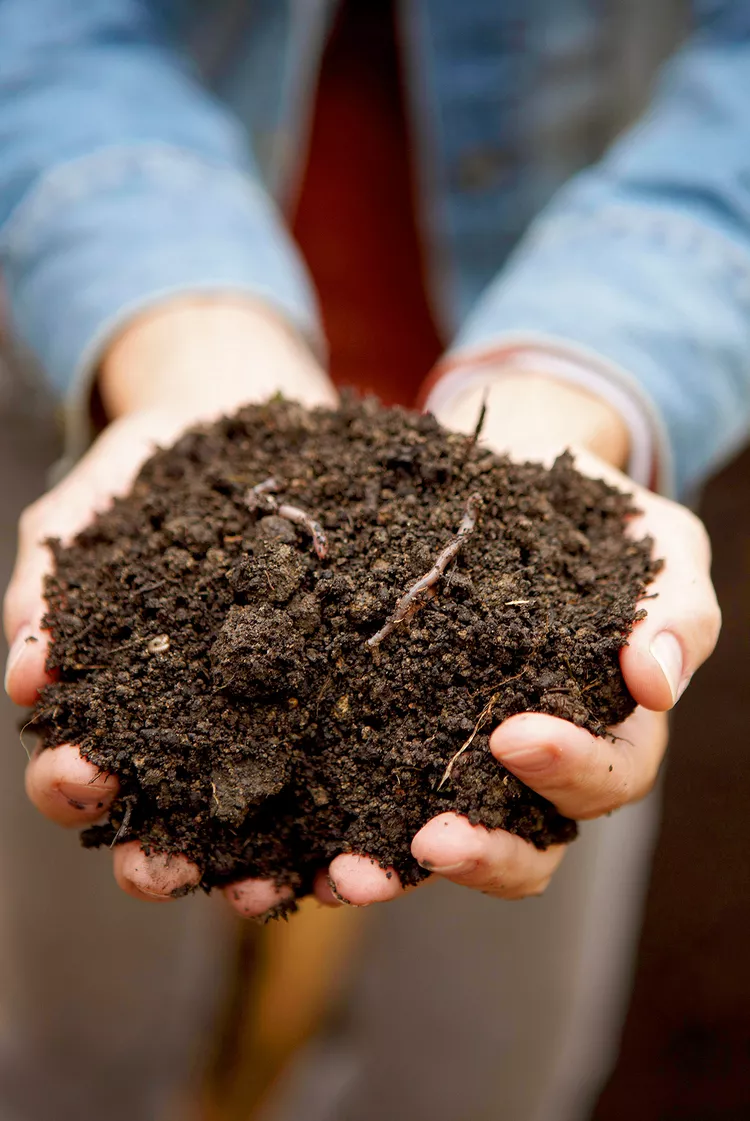
No matter where you garden, it's worth improving the quality of the topsoil you have available. After all, plants rely on topsoil—the uppermost layer of the earth's surface—for water and necessary nutrients. The more organic matter it has, the darker the soil will look (like what you may see sold in bags or bulk as "black dirt"). This type of soil is very easy to dig in and supports healthy plant growth. However, the type of soil actually available in your yard may look very different. Depending on your region, it can vary from reddish clay to beige, sandy soil. Here's what you need to know about improving your topsoil for the best shot at a thriving, plentiful garden.
Topsoil Myths & Misunderstandings
These four common assumptions about topsoil can trip you up, leading you to pay less attention to your topsoil and, thus, harming the success of your garden. Knowing these basics will help you successfully create the best environment you can for your plants.
Topsoil Myth 1: All Topsoil Is Pretty Much the Same
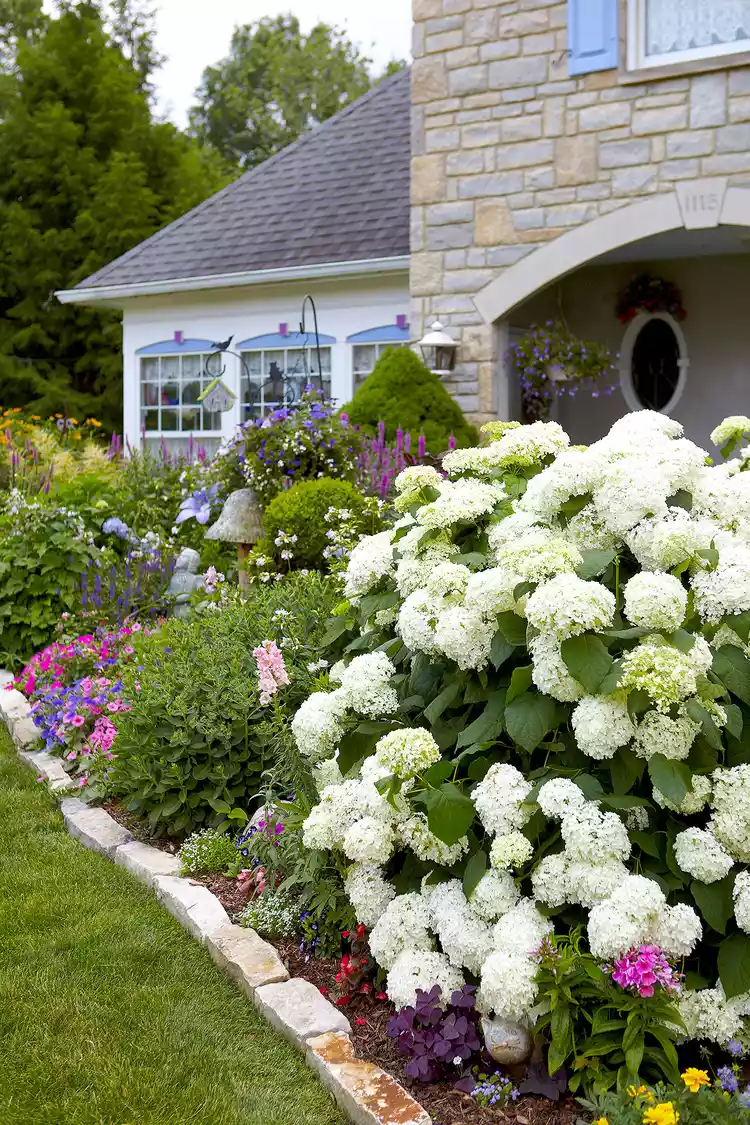
Topsoil can differ dramatically, even in the same yard and from one garden bed to another. All the earth in your yard is made up of sand, silt, and clay in various amounts. The ideal ratio of these three elements allows for good drainage yet holds enough moisture to allow plant roots to access the water they need. Your soil can also vary in pH level, which is a measure of how acidic or alkaline it is; some plants, such as bigleaf hydrangeas, are more affected than others by pH levels, so you may want to tailor your topsoil blend accordingly.
Topsoil Myth 2: The Dirt in My Yard Is Fine the Way It Is
If you recently moved into a home that was previously owned by a skilled gardener, then maybe this is true. But more often than not, the quality of soil around homes—especially newly constructed ones—isn't the best for plants. It takes time to build up high-quality soil that includes generous amounts of decomposed plants, called organic matter. This is a vital component that gives topsoil good drainage, just the right water-holding capacity, and a loose, easy-to-dig quality. It's also important for supporting a healthy soil ecosystem of microbes that help plants grow better.
The quickest way to get great garden soil is to purchase it. You can put a 2- to 3-inch thick layer directly on top of existing soil before planting and just let nature do the rest of the work, or you can till it in. On top of that, you can amend your topsoil further with a couple of inches of compost. This can be costly and involve a lot of labor, but it will ultimately create very productive soil.
Topsoil Myth 3: To Always Have Good Topsoil, I Have to Till It Annually
If you're creating a new garden space and want to till in soil amendments to get everything off to a good start, that's fine. But after that, it's best to avoid disturbing the soil as much as possible. For one thing, turning soil brings weed seeds to the surface where sunlight will stimulate them to sprout, so you'll just be creating more work for yourself to get rid of them. Typically, nature will take care of mixing in organic matter so you really can save yourself the trouble.
Additional tilling may be necessary if your soil becomes very compacted, which means it doesn't have enough tiny air pockets in it that roots require to establish. You can avoid this by staying off your soil, especially when it's wet. If you need to walk into a bed to care for plants, you can avoid compacting the soil by creating a permanent stepping stone path you can use for maintenance or temporarily laying down a sheet of plywood while you work.
Topsoil Myth 4: Rich Soil Never Needs Fertilizer
Plants draw the nutrients they need to grow from the soil they're planted in. Those nutrients usually need to be replenished every so often for the healthiest growth, no matter which type of soil you have. This is especially true for the soil where you grow annual flowers and vegetables, which suck up a lot of nutrients to fuel their rapid growth. Luckily, it's easy (and inexpensive) to restore nutrition to your soil by adding high-quality compost and/or granular or liquid fertilizer products as needed. If you're not sure whether you need to add nutrients, a soil test is a quick way to check. To add nutrients and replace organic matter as it breaks down, add 1 to 2 inches of compost to your garden beds in the fall. That way, you'll be all set come spring and can just add a layer of mulch after cleaning up and planting your beds for the new growing season.
New