A pair of pruning shears might not sound like the tool of choice for increasing your berry harvest, but knowing when and how to prune raspberries will go a long way toward ensuring your plants produce plenty of luscious fruit. Pruning raspberries annually can amp up your berry harvest—sometimes doubling it—and helps create a thriving, healthy berry patch. Use these tips and techniques to make smart cuts at the right times.
1. Know your berries.
Determining how to prune your raspberry plants depends on the type you're growing and sometimes on when you want to harvest the fruit. All purple and black raspberries have a specific pruning plan. Red or yellow raspberry pruning is dependent on when the plants fruit.
Red and yellow raspberry plants can fruit in fall and again in early summer the following year—these are known as fall-bearing raspberries. They produce a large crop in fall and a smaller crop the following summer. Red and yellow raspberries can also produce one big crop of fruit in late summer to early fall. These are called summer-bearing raspberries. Before your prune, know your berries.
2. Time it right.
When to prune raspberries depends on the type of berries you are growing. Purple and black raspberries are pruned in spring, then again after fruiting, and once more in winter. Red and yellow raspberries are pruned after fruiting in summer and again in winter.
3. Maintain enough space.
Red and yellow raspberries produce all kinds of new shoots from their roots. Within a couple of years, these brambles can create a dense thicket of raspberry canes, making it tough to care for the plants and harvest the fruit. Black and purple raspberries are less likely to ramble. Regardless of the type of raspberries you are growing, confine plants to a 2-foot-wide row by removing any canes that pop up outside the boundary. A sharp spade or rototiller is handy for cutting down unwanted canes.
4. Keep it clean.
Pick up and haul away all pruned canes and debris. Removal of the pruning material will help control plant diseases that can affect raspberries, such as anthracnose and spur blight.
5. Mulch well.
It might not seem like mulch impacts pruning, but a 2-inch-thick layer of mulch spread over a raspberry planting annually in spring actually can help. The mulch will help reduce weeds, creating a clean raspberry planting bed. The canes are instantly visible in a weed-free raspberry bed, which makes seeing what you're doing while pruning easier. Shredded wood, cocoa hulls, or pine straw are all fine mulch materials. You can even use a thick layer of grass clippings.
6. Protect yourself.
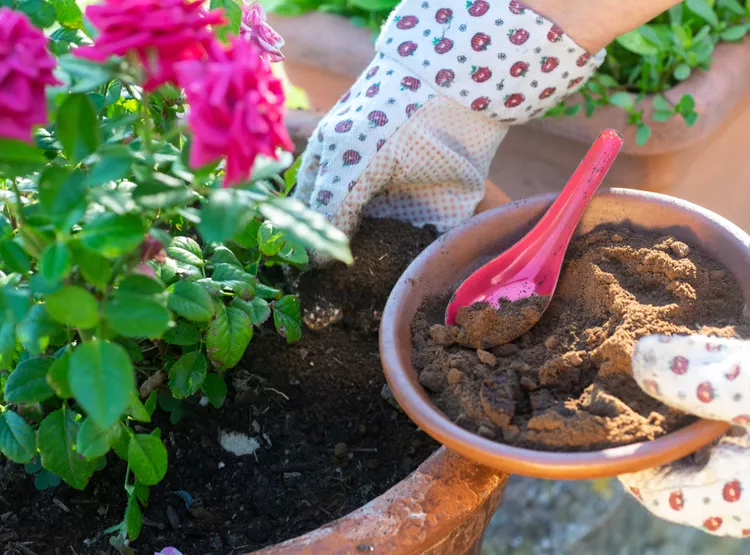
Raspberry canes are thick with thorns. Gauntlet-style leather gardening gloves, long sleeves, and pants will help protect your skin. Pruning shears work will do when trimming the ends of canes, but long-handled loppers are essential for safely reaching into a berry patch to pluck out dead canes.
How to Prune Yellow and Red Raspberries
Fall-bearing
Fall-bearing red and yellow raspberries produce a crop of berries in the fall and another crop the following late spring or early summer. Begin pruning in winter by removing dead canes (see tip, below) . Then cut back the canes that fruited the previous fall by one-quarter their length. By cutting the fruiting canes back, you’ll encourage them to fruit more prolifically in summer.
In early summer, after the canes fruit, cut each fruiting cane back to ground level. These canes have finished their life cycle; after they fruit in early summer, they die. Keep your raspberry patch tidy by removing them as soon as they are done fruiting in early summer. Leave the young canes that did not fruit in place. They will produce fruit in fall.
Fall-bearing red and yellow raspberries can also be pruned to produce a single crop in fall. To produce just one crop, which is often larger, simply cut all the woody canes back to ground level in late winter. The plants will produce new canes from buds located on the plants’ roots. Expect a single bountiful crop of berries in early fall.
It can be difficult to determine if a raspberry cane is dead or alive when pruning before leaves emerge in early spring. Look for raspberry canes that are white to gray in color. These dead canes will feel brittle or lightweight.
Summer-bearing
Canes on summer-bearing red raspberries grow in year one, produce fruit in summer of year two, and then die. In winter, prune to remove all weak, broken, and diseased canes. Thin the remaining canes so they are 6 to 8 inches apart. In summer keep an eye out for rambling red raspberries—they will pop up outside the planting bed. Remove rogue canes with a sharp spade. After summer-bearing red raspberries fruit, remove the fruiting canes. Leave the non-fruiting canes in place; they will produce fruit next summer.
How to Prune Purple and Black Raspberries
In late winter remove small, weak, dead, or damaged canes. Aim to leave three to five of the largest, most vigorous canes per clump. Black and purple raspberries have long arching canes. Cut the long canes back so they are 2 ½ to 3 feet long.
In late spring or early summer, spur the canes of black and purple berries to branch by cutting new growth back by 4 inches or so. About a month after the late spring pruning, cut new branches back again by about 4 inches. This repeated pruning of new growth will encourage plants to produce branches and more fruit. Finally, in summer after harvest, remove all canes that bore fruit. These canes have reached the end of their life cycle. Leave non-fruiting canes in place. They will produce fruit next summer.