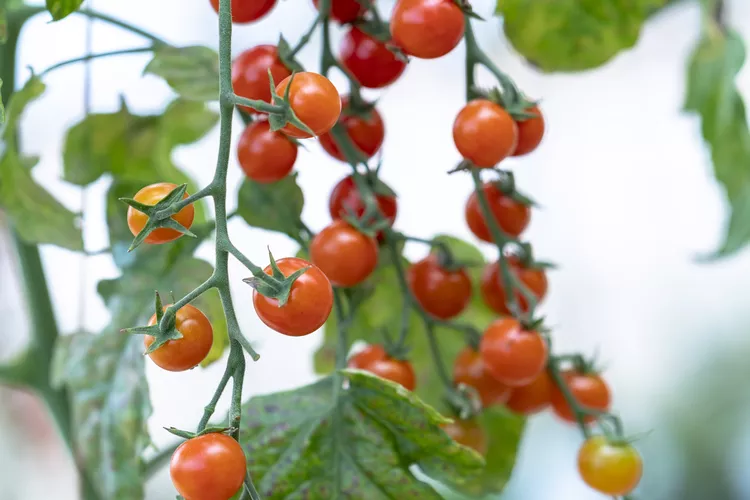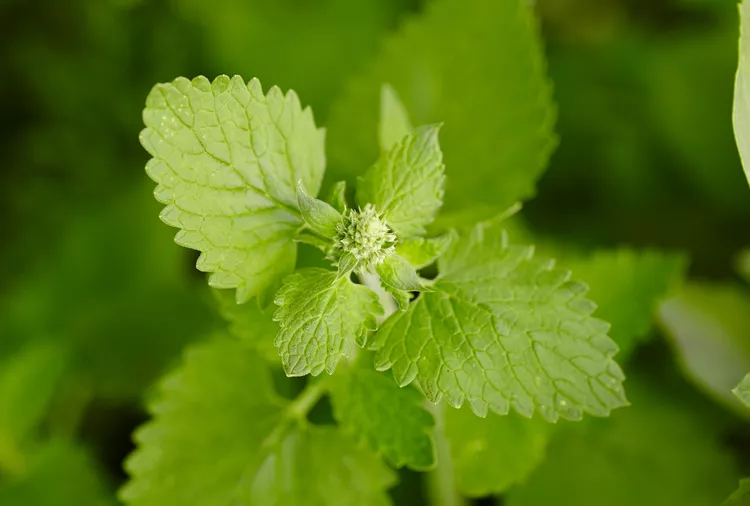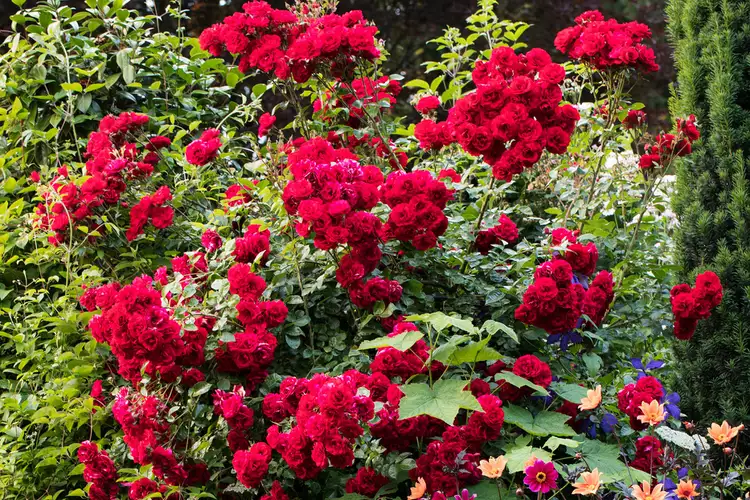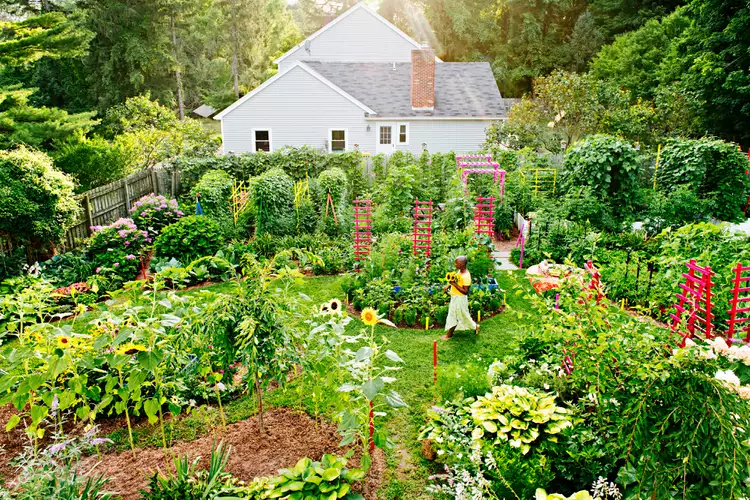

With each satisfying snip of your clippers, your basket fills up with sun-ripened tomatoes, cucumbers, and leafy greens. Why not take some cosmos home for the table? There is a special satisfaction to growing, especially growing nutritious food yourself to enjoy and share. If you find yourself without a patch of garden or balcony to grow on, community gardening is a wonderful way to get growing, help your neighbors, and make friends.
- LaManda Joy is the author of Start a Community Food Garden: The Essential Handbook and co-founder of the “Great Grow Along” virtual garden festival.
- Geoffrey Johnson, a self-taught gardener, created the Charles Henry Chapman Memorial Community Garden.
- Collie Turner is the founder of Heroic Gardens, which helps veterans heal and find community through gardening.
The Benefits of Community Gardening
On a wider scale, community gardens not only make the gardeners healthier but improve local access to nutritious food, deepen social connections, and can improve their neighborhoods’ quality of life and environment. There are an estimated 29,000 community gardens in the country’s large cities, according to the Trust for Public Land.
“I think we need community gardens now probably more than ever,” says LaManda Joy, author of Start a Community Food Garden: The Essential Handbook and co-founder of the “Great Grow Along” virtual garden festival. “There are areas without grocery stores, and unsightly areas that could benefit from people coming together to make them beautiful. In addition, there is so much isolation in our digital age, that having gardening as a common denominator makes them very valuable from a cultural perspective.”
How Do Community Gardens Work?
Community gardens may offer individual plot allotments, shared spaces for community use, food bank donations, or a combination. The American Community Gardening Association defines them loosely as “community-managed open spaces.”
Typically volunteer-powered, community gardens’ structures and rules vary based on the leadership and the land owner. The land may be privately owned or, most commonly, borrowed via a lease agreement with local government.
They can be a small as a traffic circle or patio garden shared by neighbors, or as large as Seattle’s Beacon Food Forest, the world’s first urban food garden open for foraging 24/7. Planted in permaculture “guilds” (groupings of plants that help sustain each other), there are plots reserved for donation and use by BIPOC and Indigenous groups.
Near Savannah State University in Georgia, self-taught gardener Geoffrey Johnson created the Charles Henry Chapman Memorial Community Garden on two vacant lots owned by a chapter of his fraternity. There, students and community members of all ages team up to grow organic produce for donation.
Having a vision keeps energy and momentum high, Johnson says. “For me, it was trying to plant as many things as possible that would be beneficial health-wise, especially in the African-American community where diabetes and other issues are rampant.”
Heroic Gardens helps veterans heal and find community through gardening. The first project was a garden at Edison 64 in Philadelphia, Penn., originally a high school which lost the most students of any in the nation—64—to service in Vietnam, now converted to house veterans. With raised beds and a rain barrel and picnic tables for sharing the harvest, veterans now care for fresh vegetables, herbs, and pollinator-feeding flowers.
“Witnessing Veterans that we work with, take pride and accountability in their garden is a feeling like no other,” says founder Collie Turner. “The social aspect is really important as well. Often times, Veterans experience isolation as a part of their trauma when they return from service and are trying to ’normalize’ back into civilization. Gardening offers them an opportunity to work alongside like-minded individuals (whether they are fellow Veterans or civilians) and in doing so, we observe them sharing their experiences in the military and talking about their own families and themselves. They aren’t focusing on what’s troubling them. They are focusing on the garden.”
She feels that giving ownership to the gardeners is a key to the success of the garden. Then, she says, “Come with an open mind, and be ready to learn.”
How to Find a Community Garden Near You
You can search the ACGA’s database for community gardens or check your local city and state government website (often listed under Parks and Recreation) or the county cooperative extension office. In large cities where green space is limited, a personal plot can be a hot ticket with a waitlist of months or years.
To start a community garden in your own neighborhood, you’ll need land with water access and lots of helping hands to start and maintain the gardens. The ACGA offers a handy guide on its website if you'd like to explore this option.
Tips for Growing a Thriving Plot
Let’s say you’ve scored a space in a community garden. Now what? Use these tips to guide you to a successful growing experience.
1. Assess your plot.
Depending on how long it’s been since your garden plot was active, you may be faced with some weeds or leftover plant debris. Before clearing everything away, ask fellow gardeners to understand what is there already. Perennials may be sleeping, and plants that look like “weeds” can be useful. Clover acts as a cover crop to boost nitrogen in the soil, and plantain can serve as an edible groundcover. Tilling or double-digging is no longer recommended in home gardens because it destroys the mycorrhizal fungi network underground that nourishes the soil and your plants.
Do this quick soil test to check on the drainage: Dig a hole, fill with water. If the water drains away in under a half an hour, you likely have sandy soil. If it’s more than two hours, it probably leans toward clay, and you’ll want to top-dress with some organic matter to improve the drainage.
Throughout your first year, spend time observing the sun at different times of day to discern how much light your space gets. Tomatoes and squash will need six hours or more direct sun, while leafy crops like greens and herbs can thrive in partial shade.
2. Grow what you’ll use.
You’re most likely to maintain plants you’re excited about, especially if it involves commuting to the site and dragging watering cans to your plot. Ask the other gardeners what has worked for them but choose your garden crops with enthusiasm—whatever suits your conditions that you’ll revel in watching, harvesting and/or eating. “I always tell people “Grow what you love,” Johnson says.
3. Pick easy-care plants.
Joy says, “I wouldn’t pick plants that are fussy, delicate, or need too much attention. It’s not in your backyard, so you might not be able to get there are much as you think.” She also recommends buying started plants over sowing seeds.
You may want to start with easier crops like peas or lettuce, and attractive flowers like zinnias, dahlias, and sunflowers.
4. Conserve water.
Using mulch or planting closely will reduce water loss at ground level (and reduce weeding). When you do water, do so deeply but less frequently to encourage healthier roots. Both Joy and Johnson recommend digging in some ollas (clay water reservoirs) to cover you during short dry spells.
5. Check in often.
Some plants have a brief harvest window, and close observation lets you catch pests early. And some plants, like sweet peas, zinnias, dahlias, and indeterminate tomatoes, will reward your frequent visits with more flowers and fruit each time you cut them.
6. Grow the soil.
The old saying is, “Good gardeners grow plants, great gardeners grow soil.” Feeding your soil with organic matter will benefit plants now and for years to come. You can help your soil by avoiding excess digging to preserve mycorrhizal networks, adding compost as a topdressing annually, and worm castings from your worm bin. (Start a worm bin if your garden doesn’t have one yet.)
7. Work together to make a difference.
The power of gardening to “make the world a better place,” Joy says, is multiplied when we work together. Or said another way by Johnson, literally and figuratively, “If we all collaborate, we can make a salad.” That can mean anything from keeping your garden organic, inviting pollinators, educating and inviting in neighbors, and donating produce from your community garden to specific groups.