Tomato blight is a common problem that can quickly reduce your plants to sad, scraggly messes. This guide provides all the details for identifying early and late tomato blight. Then, use these tips to protect your plants from these common tomato diseases so you can still enjoy a delicious harvest.
What Is Tomato Blight?
Tomato blight is a term used to refer to two common leaf spot diseases that will take a toll on your tomato harvest before you know it. There are two distinct types of tomato blight: early blight and late blight. Both early blight and late blight impact a plant in similar ways, but prevention strategies vary based on the type of blight. A tomato plant can be infected with both early blight and late blight simultaneously.
How to Identify Blight in Tomatoes
When blight in tomatoes is noticed early in its development, it’s relatively easy to identify if it is early blight or late blight.
When distinguishing between early blight and late blight, remember that early blight infections begin at the soil level and move up the plant. Late blight begins in the canopy and moves down to the soil level.
Early Tomato Blight Symptoms
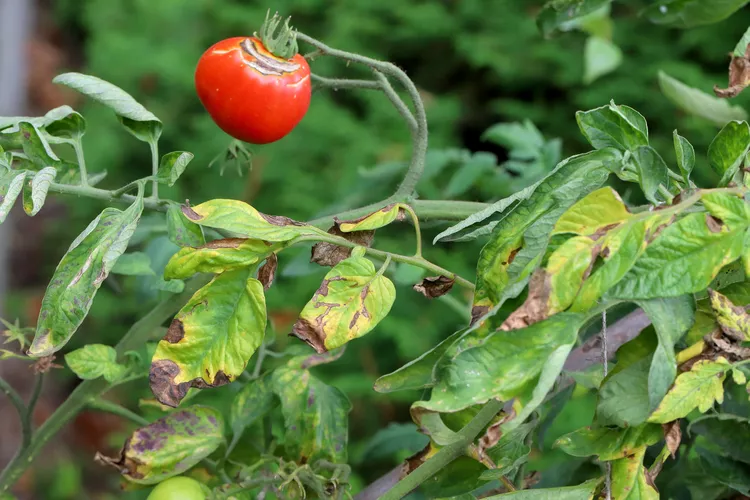
Early tomato blight is first found on the plant's lower leaves. It is spread from fungal spores in the soil splashing onto the plant's lower leaves. The fungus produces roughly circular dark brown spots on stems and leaves at the base of a plant. Multiple spots on a single leaf eventually merge, causing the entire leaf to turn brown and fall off the plant.
In time, the fungus moves up the plant until the middle section's leaves and, finally, the leaves in the canopy are affected. Tomato plants in the later stages of an early blight infection will have leafless lower stems and infected leaves in the upper canopy.
Late Tomato Blight Symptoms
Caused by a fungus-like micro-organism called Phytophthora, late blight spreads by wind and rain. This tomato disease tends to start in the canopy of the plant and then slowly spreads downward. The first symptoms of late blight appear as brown or tan spots on the upper leaves of tomato plants. The spots often have a light green or yellow ring around the irregular outer edge. As the disease progresses, the lesions grow together on a single leaf, and the entire leaf turns brown, shrivels, and dies.
Late blight can also attack tomato fruit. Infected fruit develops brown spots that become leathery. Rot lurks under the outer covering, so you probably don't want to eat infected fruit.
Controlling Early Tomato Blight
Early blight is a tricky fungal disease that has the frustrating ability to hide in soil and plant debris for years, wreaking havoc on tomato, eggplant, pepper, and potato plants. Once symptoms of early blight appear, control is nearly impossible. Tomato plants don't typically recover from an early blight infection. Slow the spread of the disease by pruning tomato foliage to improve airflow. Thin out the whole plant by removing one-third or so of the foliage. Fruit production will likely be reduced with extensive pruning.
Fungicides labeled for use on vegetable plants can be effective against early tomato blight if used diligently from the beginning of infection until the end of the growing season. Neem oil is an organic control option, but like conventional fungicides, it must be applied at the beginning of an infection and very regularly until frost. There are no early blight-resistant tomato varieties, but several varieties do show good tolerances of the disease. Choose a disease-tolerant tomato variety when possible.
Controlling Late Tomato Blight
The same fungus-like microbe that causes late tomato blight today was responsible for the devastating Irish potato famine of the 1840s. Late blight is most common during long periods of cool, cloudy, wet weather when wind and rain spread the spores from garden to garden and plant to plant. The tiny spores are known to travel 10 miles or more, starting new disease cycles wherever they land.
Once late tomato blight occurs in your garden, it cannot be eradicated. However, it can be somewhat controlled with weekly fungicide sprays. Products containing copper or chlorothalonil are the best products for controlling late blight. Fungicide sprays, like other chemical controls, can harm beneficial wildlife in the process of controlling plant diseases. To avoid late blight in the first place, plant tomato varieties that have late blight resistance.
Tips for Preventing Tomato Blight
1. Plant resistant or disease-tolerant varieties.
The single most effective way to combat both early blight and late blight is to plant tomato varieties that at least tolerate these diseases. Cultivars tolerant of early blight include ‘Mountain Magic,’ ‘Celebrity, ‘Juliet,’ and ‘Rutgers.’ Late blight resistant cultivars include ‘Mountain Gem,’ ‘Plum Regal,’ ‘Mountain Magic,’ and ’Red Pear.’
2. Grow plants on stakes or trellises.
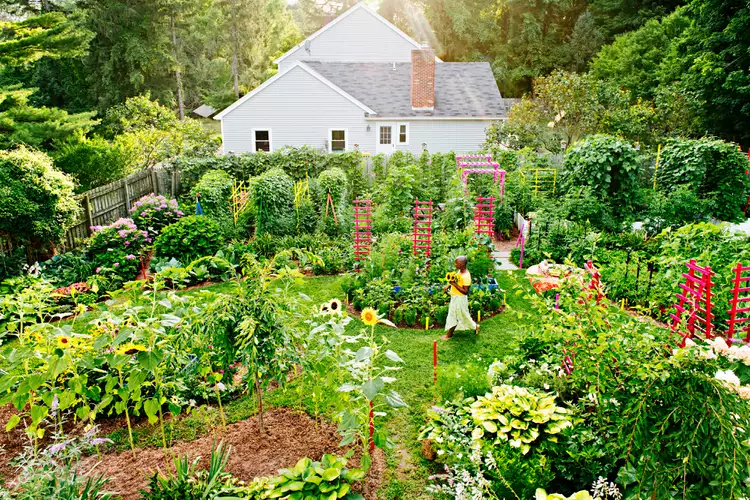
The foliage of tomato plants supported by stakes or trellises dries much faster than plants allowed to ramble over the ground. Fast dry time limits the spread of fungal disease. Also, minimizing leaf-to-soil contact can prevent disease spread in the case of early blight.
3. Add a layer of mulch.
A 2-inch-thick layer of organic mulch, such as shredded wood mulch or weed-free grass clippings, will create a physical barrier between early blight spores in the soil and the tomato plant’s leaves.
4. Remove infected leaves.
Limit disease spread by pruning away infected leaves as soon as you notice them. Gather the infected leaves and bury, burn, or discard them in a plastic bag.
5. Space plants adequately.
Plant your tomatoes 3 to 4 feet apart to promote good air circulation. The goal is to help foliage dry off as quickly as possible, which limits disease spread.
6. Deliver water directly to the base of plants.
Water tomatoes with a water wand, long-neck watering can, or drip hose to prevent splashing water onto the plant’s foliage. Yes, rain will get the leaves wet from time to time, but minimizing the amount of time that water sits on the foliage helps reduce disease development and spread.
7. Focus on growing healthy plants.
Make sure to give your tomato plants enough water, nutrients, and sunlight. Healthy, robust tomato plants will be better able to do battle with early blight or late blight than tomatoes that are struggling and weak.