How to Prune a Lemon Tree—8 Tips for Making the Right Cuts

34.5K
2.4K
652
2025-11-13
How to Prune a Lemon Tree—8 Tips for Making the Right Cuts

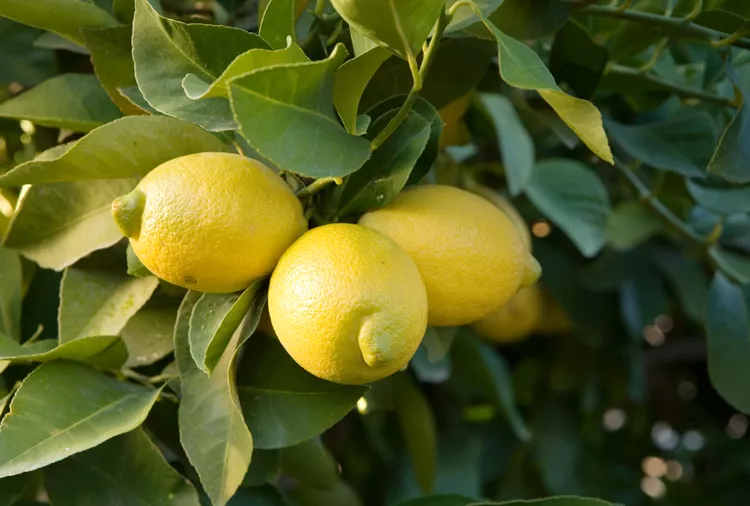
Knowing when and how to prune a lemon tree correctly will help you get the most out of your plant. Though most citrus trees grow slowly and rarely need pruning, lemon trees are unique. Known to grow vigorously—to the detriment of fruit production in some cases—lemon trees benefit from annual pruning. Regularly snipping away unproductive upright shoots along with deadwood keeps the tree in good health and productive. Plus, it will help you maintain your plant at a more convenient size for harvesting. Here are eight easy pruning tips to keep your tree in top shape and produce plenty of tart, vitamin-rich fruit. 

Some lemon trees can have sharp thorns, and their sap can cause skin irritation. Always wear protective gloves and eyewear when pruning lemon trees.

1. Prune trees right after harvest.

The best time to prune a lemon tree is shortly after harvesting the fruit. A lemon tree's flower buds, the beginning of the next season's fruit, form quickly after the current fruit is harvested. Some lemon varieties ripen in late summer, while others are ready to harvest in winter or early spring.

2. Remove unhealthy wood.

Pests and diseases enter lemon trees through dead, damaged, and diseased branches. Remove these parts as soon as you see them to reduce pest and disease threats. An important task involving how to prune a lemon tree is to scan the tree for broken limbs after strong winds. Intense cold spells can damage branches, too. Cut back branches damaged by cold weather to healthy wood or wood with leaves. Branches riddled with insects and diseases are less common, but they should be cut back immediately to healthy wood. 

3. Snip sprouts growing along the trunk.

Fast-growing shoots popping up along the trunk or a branch of a lemon tree are usually nonproductive water sprouts. When left on the tree, these vigorous stems grow into woody limbs that shade productive interior branches and rob valuable plant nutrients. When caught early, water sprouts can often be plucked off the trunk or branch by hand, while established water sprouts become woody and require hand pruners. Young lemon trees produce more sprouts than mature trees. Keep a young lemon tree sprout-free by removing these stems by hand about once a month.  

4. Cut branches back to the collar.

When removing a limb from an overgrown lemon tree, cut the limb back to the slightly swollen area of tissue near the trunk. This swollen tissue is called the branch collar. When branches are cut off in the branch collar zone, the tree heals the wound quickly. Branches cut off right next to the trunk or branches left as stubs beyond the branch collar heal slowly, and there is a greater chance that tree diseases and pests can take hold. Always aim to cut at the branch collar.

5. How to prune a lemon tree using the 3-cut method on large branches.

Pruning a large branch requires multiple cuts to ensure safety for the gardener and the tree. Use the 3-cut pruning method for branches larger than 2 inches in diameter. The first cut is an undercut about 5 inches from the trunk or adjoining branch. Make the undercut about halfway through the branch. The second cut takes place a few inches beyond the undercut and removes the branch’s weight. Finally, the third cut removes the stump left. Cut off the stump to the branch collar—the swollen area of tissue where the branch attaches to the tree—cutting at a 45-degree angle.

Sterilize pruning tools with rubbing alcohol before pruning your lemon tree to avoid introducing plant diseases. Clean off your pruners again before pruning another citrus tree.

6. Protect newly exposed wood from sunburn.

Lemon trees are susceptible to sunburn after pruning. When a branch or a portion of the trunk is newly exposed to sunlight after pruning, protect it with white latex or another standard tree paint. Latex paint can be diluted 50% with water; do not use oil-based paint.

7. Prune at recommended times.

Small pruning cuts made annually right after harvesting lemons result in little or no loss of fruit the following year. Large pruning cuts, often necessary when a tree is overgrown and hasn’t been pruned for many years, can significantly reduce the quantity of fruit produced the following year. Prune annually and enjoy a regular harvest.  

8. Aim for a dome-shaped tree.

When pruning a lemon tree for size and shape, make cuts to create a tree about 7 to 10 feet tall and 10 to 15 feet wide. A small tree is easier to harvest from the ground or with the help of a short ladder. Reduce the size of an overgrown tree by cutting branches back by about 10 to 12 inches each year for several years. This slow method of renovating an overgrown tree is healthier for the tree than cutting it back drastically all at once. 
Frequently Asked Questions

  • Can thorns on a lemon tree be pruned off?

    Yes, you can remove thorns on a lemon tree without damaging the plant.

  • Will pruning a dying lemon tree save it?

    It depends on the cause of your lemon tree's decline. If root rot has set in, pruning won't do much good. If a plant disease is killing select branches, pruning those areas off may slow the spread of the problem to the rest of the tree.

  • When is it most important to prune a lemon tree?


    Plan to prune a lemon tree after the last frost in your area or in early spring if you live in a warm climate to get pruning done before the spring new growth. Continue to prune throughout the season as needed. Always prune dead, diseased, or broken branches as soon as you spot them to preserve the health of your tree.

Related Article

Growing Tomatoes Upside Down—Here's What You Need to Know
1.5K
92
13

Growing Tomatoes Upside Down—Here's What You Need to Know

An upside down tomato planter can be a fun way to grow tomatoes. Get essential tips for growing tomatoes upside down, including the best container to use, types of tomatoes to grow, and how to care for your plants.
How to Grow Catnip Indoors and Outdoors
40.4K
2.8K
1.3K

How to Grow Catnip Indoors and Outdoors

Catnip is a simple herb to grow indoors and outdoors. Here's how to grow catnip and provide proper care so the plant thrives.
How to Plant a Wheelbarrow Fairy Garden
12.7K
885
283

How to Plant a Wheelbarrow Fairy Garden

Create a charming miniature landscape in a vintage wheelbarrow that you can move about as you like.
26 Tiny Plants Perfect for Miniature Landscaping
47.6K
2.9K
1.4K

26 Tiny Plants Perfect for Miniature Landscaping

Create a miniature plant garden by finding out how to pot your tiny plants based on light and zone. See our list of small plants perfect for your containers.
36 Container Garden Ideas to Inspire Your Own Pretty Plantings
21.5K
1.1K
172

36 Container Garden Ideas to Inspire Your Own Pretty Plantings

Use these container garden ideas to create the best-designed planter for your patio, window box, or other container planting.
8 Colorful Flowering Shrubs to Grow for Cut Flowers
9.3K
370
118

8 Colorful Flowering Shrubs to Grow for Cut Flowers

These flowering shrubs not only look gorgeous in your garden, but their flowers can fill your vases for weeks.
How to Plant and Grow Poplar Trees
42.9K
3K
1.5K

How to Plant and Grow Poplar Trees

Straightforward details about planting and growing several types of poplar trees.
19 Flowering Succulents to Grow for Their Stunning Blooms
44.1K
4.4K
926

19 Flowering Succulents to Grow for Their Stunning Blooms

These flowering succulents will fill your home and garden with colorful petals, and most are easy to grow.
4 Expert Tips for When and How to Cut Tulips in Your Garden
14.2K
1.4K
254

4 Expert Tips for When and How to Cut Tulips in Your Garden

Find out when and how to cut tulips and the best way to care for them so they last as long as possible.
How to Grow and Care for Satin Pothos
28.3K
2.3K
565

How to Grow and Care for Satin Pothos

Satin pothos is a popular vining houseplant that loves bright, indirect light. Place it on a mantel, shelf, or desk, and let the vines cascade.
Why Are My Plant’s Leaf Tips Brown? Here Are 3 Possible Reasons
41.6K
2.9K
1.1K

Why Are My Plant’s Leaf Tips Brown? Here Are 3 Possible Reasons

When foliage looks dry and there are brown tips on plants, it’s a warning sign that something needs to change with your care regimen. Here’s how to troubleshoot the problem and prevent it from happening in the first place.
This Bold Shade Garden Plan Brims with Color and Texture
5.4K
483
86

This Bold Shade Garden Plan Brims with Color and Texture

This bold shade garden plan contains gorgeous foliage and flowers that don't need a lot of sun.
This Cold-Climate Shade Garden Plan Features Colorful Perennials
37.5K
1.1K
112

This Cold-Climate Shade Garden Plan Features Colorful Perennials

Even if your winters bring sub-zero temperatures, the tough plants in this simple design will help you spice up a shady spot in your yard.
How to Keep Chipmunks Out of the Garden—and Squirrels, Too
5.6K
389
58

How to Keep Chipmunks Out of the Garden—and Squirrels, Too

Here's how to keep chipmunks out of your garden and stop them (and squirrels) from eating your plants and flowers.
12 Plants with Colorful Leaves for Brightening Up Your Garden
7.5K
525
78

12 Plants with Colorful Leaves for Brightening Up Your Garden

These annuals, perennials, vines, and shrubs have colorful leaves that won't fade like flowers.
18 Native Plants with Year-Round Interest for a Continuously Beautiful Garden
17.4K
1.4K
334

18 Native Plants with Year-Round Interest for a Continuously Beautiful Garden

These native plants help keep your gardening looking good through the seasons.
What Is a Permaculture Garden? Plus 12 Tips for Planting Your Own
30K
1.8K
287

What Is a Permaculture Garden? Plus 12 Tips for Planting Your Own

With these 12 tips on how to grow a permaculture garden, you can streamline garden chores, improve the soil, and grow healthier plants.
Use a Color Wheel to Plan Your Garden
35.7K
356
178

Use a Color Wheel to Plan Your Garden

Create a flower color wheel for your garden as you explore your plant color palette. It's the perfect meeting of gardening and decor! We'll help you discover how to use complementary, analogous, cool, warm colors, and more!
Visiting the Better Homes & Gardens Test Garden®
29.1K
873
279

Visiting the Better Homes & Gardens Test Garden®

The BHG Test Garden is a beautiful green space that has something to see in all seasons.
6 Must-Know Tips for Buying Garden Seeds to Grow Veggies and Flowers
1.9K
131
14

6 Must-Know Tips for Buying Garden Seeds to Grow Veggies and Flowers

When buying garden seeds, use these tips to make smart selections from seed catalogs and garden stores.