Edible gardening is a rewarding endeavor, and growing cucumbers is a popular choice for many gardeners. One of the key factors in ensuring healthy cucumber growth and a bountiful harvest is knowing exactly how far apart to plant them. In this article, we'll explore the importance of proper spacing and provide you with all the information you need to grow thriving cucumber plants.
### Why Proper Spacing Matters
Proper spacing is crucial for several reasons. First and foremost, it allows each cucumber plant to receive an adequate amount of sunlight, water, and nutrients. When plants are overcrowded, they compete for these essential resources, which can lead to stunted growth, poor fruit development, and increased susceptibility to diseases and pests.
Additionally, proper spacing promotes good air circulation around the plants. This helps to prevent the development of fungal diseases, such as powdery mildew, which thrive in humid, stagnant conditions. Good air circulation also allows the plants to dry out more quickly after rainfall or watering, reducing the risk of rot and other moisture-related problems.
Finally, proper spacing makes it easier to access the plants for maintenance tasks, such as watering, fertilizing, pruning, and harvesting. When plants are spaced too closely together, it can be difficult to reach the inner parts of the plant, which can lead to missed opportunities for care and potentially lower yields.
### How Far Apart to Plant Cucumbers
The ideal spacing for cucumber plants depends on several factors, including the variety of cucumber you're growing, the type of growing method you're using (e.g., in-ground gardening, raised beds, containers), and the available space in your garden. Here are some general guidelines to help you determine the appropriate spacing:
- Bush Cucumbers: Bush cucumbers are compact varieties that typically grow to a height of 1-2 feet and spread out to about 2-3 feet. These types of cucumbers are well-suited for small gardens, raised beds, and containers. When planting bush cucumbers, space the plants about 12-18 inches apart in rows that are 3-4 feet apart.
- Vining Cucumbers: Vining cucumbers are more vigorous growers that can reach lengths of 6-10 feet or more. These types of cucumbers require more space to spread out and are best grown on trellises, fences, or other support structures. When planting vining cucumbers, space the plants about 18-24 inches apart in rows that are 4-6 feet apart. If you're growing vining cucumbers on a trellis, you can space the plants a little closer together, about 12-18 inches apart.
It's important to note that these are just general guidelines, and you may need to adjust the spacing based on the specific requirements of your cucumber variety and growing conditions. For example, if you're growing in a particularly hot and dry climate, you may need to space the plants a little further apart to allow for better air circulation and to prevent the soil from drying out too quickly. On the other hand, if you're growing in a cooler and more humid climate, you may be able to space the plants a little closer together.
### Tips for Planting Cucumbers
Once you've determined the appropriate spacing for your cucumber plants, it's time to get them in the ground. Here are some tips to help you plant your cucumbers successfully:
- Prepare the Soil: Cucumbers prefer well-drained, fertile soil that is rich in organic matter. Before planting, amend the soil with compost, aged manure, or other organic materials to improve its structure and fertility. You can also add a balanced fertilizer, such as a 10-10-10 or 14-14-14, to provide the plants with the nutrients they need to grow strong and healthy.
- Plant at the Right Time: Cucumbers are warm-season crops that prefer soil temperatures of at least 60°F (15°C). In most regions, it's best to wait until after the last frost date to plant cucumbers outdoors. You can start cucumber seeds indoors 2-3 weeks before the last frost date and transplant the seedlings outdoors once the soil has warmed up.
- Plant the Seeds or Seedlings: If you're planting cucumber seeds, sow them about 1 inch deep and 2-3 inches apart. Once the seedlings have emerged and developed their first true leaves, thin them out to the appropriate spacing. If you're transplanting cucumber seedlings, dig a hole that is slightly larger than the root ball of the seedling and gently place the seedling in the hole. Fill in the hole with soil and gently firm it around the base of the plant.
- Water the Plants: After planting, water the cucumber plants thoroughly to help them settle in. Keep the soil evenly moist but not waterlogged throughout the growing season. Cucumbers have shallow roots, so they need regular watering to prevent the soil from drying out.
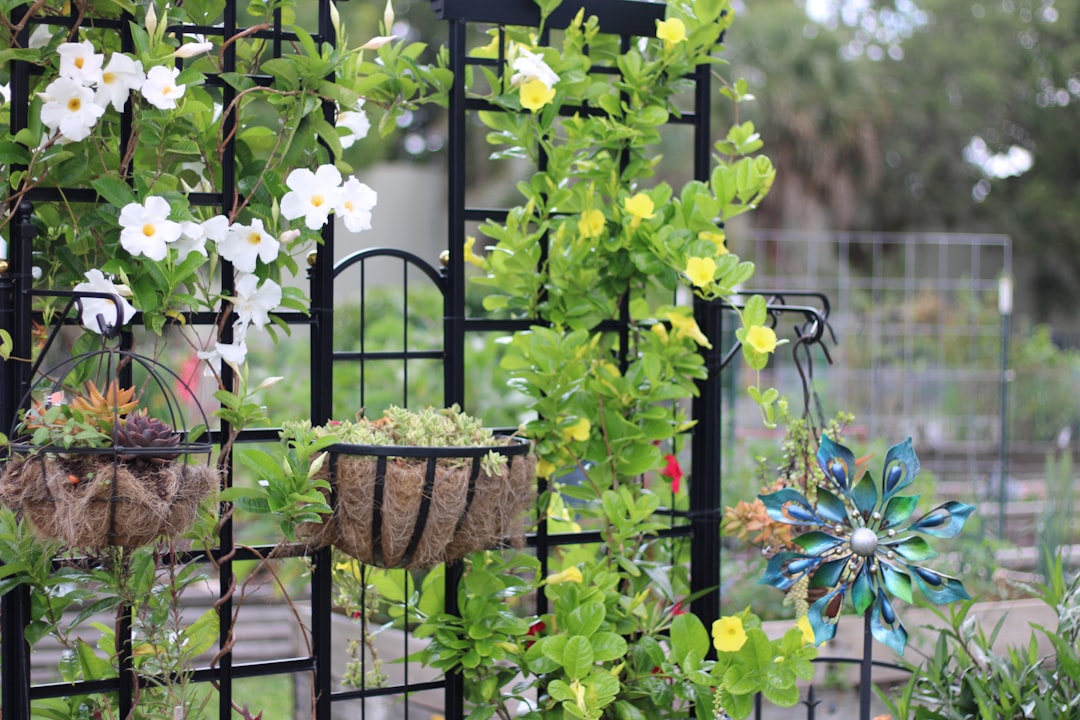
- Provide Support (for Vining Cucumbers): If you're growing vining cucumbers, it's important to provide them with a support structure, such as a trellis, fence, or cage. This will help the plants grow vertically, which saves space in the garden and makes it easier to harvest the cucumbers. You can install the support structure at the time of planting or once the plants have started to grow.
### Caring for Cucumber Plants
In addition to proper spacing and planting, there are several other things you can do to care for your cucumber plants and ensure a bountiful harvest:
- Fertilize Regularly: Cucumbers are heavy feeders and require regular fertilization to grow strong and healthy. You can apply a balanced fertilizer, such as a 10-10-10 or 14-14-14, every 3-4 weeks throughout the growing season. You can also use a side-dressing of compost or aged manure to provide the plants with additional nutrients.
- Prune the Plants: Pruning cucumber plants can help to improve air circulation, reduce the risk of diseases, and increase fruit production. You can prune the plants by removing any yellow or diseased leaves, as well as any suckers or side shoots that are growing from the main stem. Be careful not to over-prune the plants, as this can reduce their overall productivity.
- Control Pests and Diseases: Cucumbers are susceptible to a variety of pests and diseases, such as aphids, cucumber beetles, powdery mildew, and downy mildew. To prevent these problems, it's important to keep the garden clean and free of debris, and to monitor the plants regularly for signs of pests or diseases. You can use organic pest control methods, such as neem oil, insecticidal soap, or diatomaceous earth, to control pests. If you notice any signs of disease, such as yellowing leaves, powdery spots, or wilting, remove the affected leaves or plants immediately to prevent the disease from spreading.
- Harvest the Cucumbers: Cucumbers are ready to harvest when they are firm, crisp, and have reached the appropriate size for the variety you're growing. Most cucumber varieties are ready to harvest 50-70 days after planting. To harvest the cucumbers, use a sharp knife or pruning shears to cut the stem just above the fruit. Be careful not to damage the plant when harvesting the cucumbers.
By following these tips and guidelines, you can grow healthy cucumber plants and enjoy a bountiful harvest of delicious cucumbers. Remember, proper spacing is just one of the many factors that contribute to successful cucumber gardening, so be sure to provide your plants with the care and attention they need throughout the growing season.