
As a new homeowner, I made a vow to myself that I would restore and continue the gardens of my home's original owner (and gardening expert, I must say). I went all in—including starting flower seeds indoors in early spring. Long story short, I had beautiful seedlings for a while, but when I transplanted them to the outdoor garden in May, they all died within a day. Save yourself the heartache and learn from my seed-starting mistakes when attempting to grow your own cut flower garden.
Why I Started with Seeds
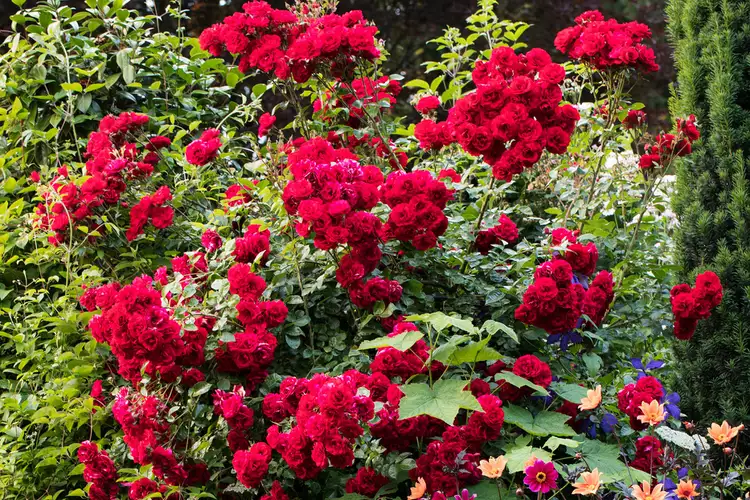
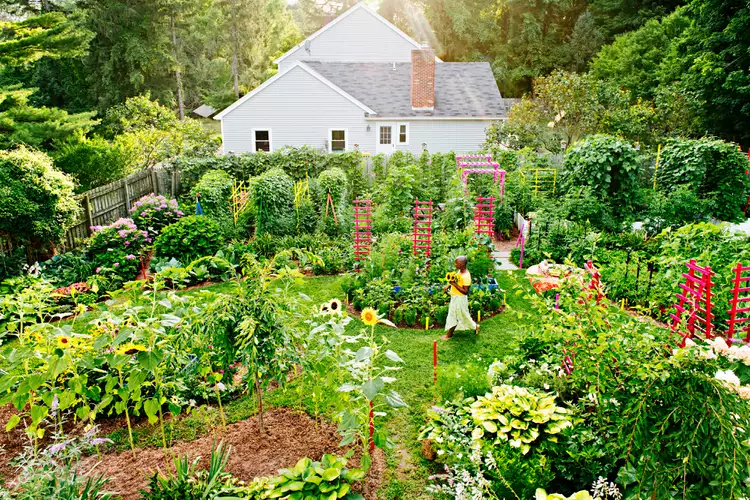
My fiancé and I bought our first home last August, and I've constantly been in awe of the gardening that had been done by the original owner. A huge perennial garden shaded by a large oak tree in the middle of the circle driveway, hostas surrounding every tree and side of the house, two large butterfly and rose gardens lining the woods, complete with rhubarb and asparagus (next year I'll be better at harvesting on time, I'm still learning). I could also see where a rather large vegetable garden once was in the backyard, before being taken over with weeds in the owner's absence.
I decided that I'd do my best to care for all of these gardens and plants in honor of the original owner's hard work. As a newbie gardener, I started with the basics—clearing out dead plants and keeping up with weeding. I even planted a few additional perennials.
The part I was most anxious about was starting plants from seed indoors. I had never done this before, but it was the most economical option for planting the cut flower garden I was envisioning. I wanted nothing more than to walk out of my house on a summer morning and cut a beautiful bouquet of flowers from my own garden. All of my research indicated that for my hardiness zone (5b), getting a head start on the seeds would be a good idea.
Benefits of Starting Seeds Indoors
The purpose of seed-starting indoors is to allow your plants to reach their full potential as soon as possible by getting a head start before your last frost date. When you should start or sow the seeds depends on your USDA Plant Hardiness Zone. The idea is that you'd start your seeds indoors and keep the seedlings cozy and warm until outdoor conditions become favorable in spring. This way the seedlings won't be in danger from freezing temperatures, and will have more time to start rewarding you with flowers or food before fall frosts come along.
My (Incorrect) Initial Process
My zone's average last frost date is May 7, so I used an online seed-starting date calculator to know when to start my seeds, which was around mid-to-late March. I purchased a seed-starting kit, complete with "fertilizer" and 60 peat plugs. I purchased two cut flower garden kits from my local seed house. One kit included statice, cherry stock, strawflower, and celosia. The other kit included zinnia, aster, phlox, globe amaranth, and snapdragons.
You can imagine my excitement for my future harvest with all of these stunning flower choices as I unboxed all of my kits and got to work. I added the powdered fertilizer to a gallon of water and added water to the tray of peat growing plugs until they had each grown in size. Next I added 2-3 seeds to each plug, taking care to remove the paper-like covering over each one so that the seeding could easily grow. I placed the plastic lid over the tray so that the moisture would stay contained. I placed it in a sunny room and let them do their thing—and after a few weeks, I had some beautiful seedlings.
My Seed-Starting Mistakes
This is the point when I started to see all of my impressive progress quickly decline. I was so proud of the seedlings I had grown from seed, but there were still a few weeks left until I could plant them outdoors. I watched my seedlings grow weaker and weaker each day, unsure of what to do. Mid-May I finally was confident that the last frost was over and I could plant them in the ground, which only led to more disappointment: dead seedlings.
I'm past the frustration now, and focused on what I can do better next year to have a different outcome, hopefully one that includes some beautiful, homegrown flower bouquets.
1. Too Much Dampness
As I said, I had placed the seed starting kit's lid on my trays to keep moisture high while seeds germinated. Once the seedlings appeared, I noticed they started to droop and some of the peat plugs had what looked like mold on them. As I look back, I realize that conditions were too damp for my seedlings. I should have removed the tray lid after I saw any sign of plant life to let them get proper air circulation.
2. Too Many Seeds
Another mistake I made was overdoing the seeds I was sowing in each plug. I sometimes only did 2-3 but other times 5-6. Plus, my research subsequently revealed that I should have "thinned out" those extra sprouts soon after they came up. Without doing so, all of the sprouts in each plug were fighting each other for the same vital nutrients, which didn't allow them to grow properly, also explaining the droopiness.
3. Skipped Hardening Off
Something that I had heard of but decided I didn't really need to do (wrongly), was "hardening off" the seedlings. This process helps acclimate the indoor-grown seedlings to the wind and harsher light of being outdoors. After further research about why my droopy seedlings completely died off in my outdoor garden, I realized what an integral step this process is.
To harden the seedlings off, I should have been exposing them to the outdoors for short periods every day, slowly increasing the amount each time. This helps the stems and leaves toughen up so they can withstand outdoor conditions better.