What Is Rooting Hormone? Plus How to Use It to Propagate Your Plants

36.5K
1.8K
694
2025-11-12
What Is Rooting Hormone? Plus How to Use It to Propagate Your Plants

Trying to grow new plants from the cuttings of your existing plants? Break out the rooting hormone. Rooting hormone is usually a substance that you apply to plant cuttings. This hormone speeds the growth of roots that turns your cutting into a new plant. Think of it as a secret weapon in plant propagation. Using a rooting hormone increases the chances that your cuttings of stems and leaves will become plants instead of dying before they grow roots. 

Types of Rooting Hormone

Synthetic Rooting Hormone

This chemical is produced commercially and contains indole-3-butyric acid (IBA,) an artificial version of the natural plant hormone auxin. Naphthalene acetic acid (NAA) is another synthetic rooting hormone that slows rotting while stimulating root growth. Synthetic rooting hormones come in a powder, liquid, or gel, and you can buy them from home improvement stores and plant sellers.

Pros: Your cuttings will develop roots faster and more reliably. You’ll look like a propagation pro when you use this stuff. 

Cons: Synthetic rooting hormone can irritate your eyes, skin, or respiratory tract if you touch it or inhale it. It’s a caustic chemical, recognized as a pesticide by the Environmental Protection Agency.

Wear gloves when applying synthetic rooting hormone to cuttings, and be careful not to inhale or ingest the material.

Natural Rooting Hormone

Natural rooting hormone is also available commercially and is usually made from ingredients derived from seaweed to promote root growth in cuttings. Most natural rooting hormone contains actual auxin, also known as indole-3-acetic acid (IAA.) Natural rooting powder contains no synthetic growth hormones or fungicides.

Pros: Natural rooting hormones are non-toxic.

Cons: None. 

How Rooting Hormone Works

Just as hormones regulate growth in the human body, plants have hormones that regulate their growth and development. Plants have a chemical called auxin that tells them when to grow roots. 

Synthetic root hormone products contain compounds that mimic auxin while organic or natural root hormone products contain natural compounds that mimic auxin. In a way, rooting hormone is like replacement hormone therapy for plant cuttings. Some root hormones also contain antifungal agents to slow rot, so a cutting has more time to grow roots. 

How to Use Rooting Hormone on Cuttings

With the type of rooting hormone you want to use (powder, gel, or liquid) and the plants you want to propagate in hand, follow these steps:

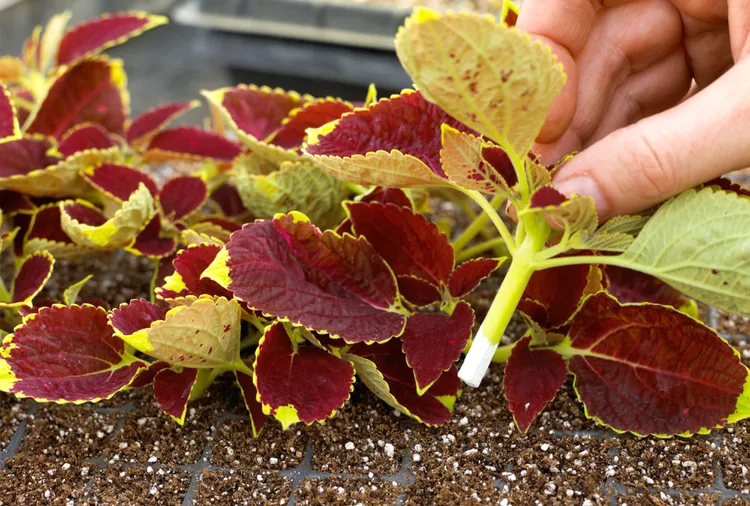
  1. Use sharp, clean garden shears or a knife to remove a stem cutting from the growing tip of a healthy plant. Get a cutting that is 3-8 inches long and cut near a node on the stem. The node is a swollen portion of a stem where new growth will emerge.
  2. Remove leaves or flowers from the nodes on the lower half of the cutting. 
  3. Moisten the bottom inch or two of the cutting with water.
  4. Pour some rotting hormone into a clean container. Small plant saucers work well for this.
  5. Dip the moistened end of the plant cutting into the root hormone. (Note: If you choose root hormone in a gel form, you will not need to moisten the stem of the cutting to get the hormone to adhere.)
  6. Shake off excess powder by lightly tapping the cutting against the edge of the saucer. 
  7. Lightly moisten fresh potting mix in a small container, then make a hole in the mix with a pencil or chopstick that’s wide enough for the plant stem.
  8. Sink the part of the cutting with hormone on it into the hole and tamp soil around the cutting. 
  9. Keep the cutting warm, 65-75°F is ideal. Put the plant in a bright window in indirect light until it roots, which takes from 2 to 6 weeks, depending on the type of plant.

Tips for Rooting Success

  • Plant cuttings in a clear plastic cup. That way you can see the roots when they grow. 
  • Don’t apply water to the potting mix until you see roots, or you will hasten rot in the cutting. 
  • To keep the cutting hydrated until it grows roots, mist leaves with a spray bottle. The plant will absorb the moisture through openings in its leaves. You can also place a clear plastic ziptop bag over the cutting to keep humidity high around it, but make sure the bag doesn't touch the plant.

Using rooting hormone makes it much easier to propagate plants from cuttings. The hormone gives cuttings a boost that makes them grow into rooted plants faster, creating stronger, healthier plants. It's especially helpful for rooting hard-to-propagate plants, so is a worthwhile product to keep in your gardening toolbag.
Frequently Asked Questions

  • When should I use rooting hormone?

    Use rooting hormone for plants that are known to be difficult to root from cuttings. You’ll improve your success rate with a little chemical help. In general, slow-growing or woody plants can be more difficult to root than soft-stemmed plants. Plants that usually need a root hormone to be successfully propagated include: dahlia, hibiscus, citrus of all sorts, and snapdragon.

  • Besides rooting hormone, what other substances can help cuttings to root?

    Three of the most common homemade propagation aids from natural materials are cinnamon powder, aloe vera gel, and honey diluted with water. These materials don’t contain significant amounts of auxin (the hormone that promotes root growth) but they do have antifungal properties that slow rot and buy time for a cutting to grow roots. They also contain enzymes, sugars, and vitamins that may play a role in promoting root growth. 

Related Article

Growing Tomatoes Upside Down—Here's What You Need to Know
1.5K
92
13

Growing Tomatoes Upside Down—Here's What You Need to Know

An upside down tomato planter can be a fun way to grow tomatoes. Get essential tips for growing tomatoes upside down, including the best container to use, types of tomatoes to grow, and how to care for your plants.
How to Grow Catnip Indoors and Outdoors
40.4K
2.8K
1.3K

How to Grow Catnip Indoors and Outdoors

Catnip is a simple herb to grow indoors and outdoors. Here's how to grow catnip and provide proper care so the plant thrives.
How to Plant a Wheelbarrow Fairy Garden
12.7K
885
283

How to Plant a Wheelbarrow Fairy Garden

Create a charming miniature landscape in a vintage wheelbarrow that you can move about as you like.
26 Tiny Plants Perfect for Miniature Landscaping
47.6K
2.9K
1.4K

26 Tiny Plants Perfect for Miniature Landscaping

Create a miniature plant garden by finding out how to pot your tiny plants based on light and zone. See our list of small plants perfect for your containers.
36 Container Garden Ideas to Inspire Your Own Pretty Plantings
21.5K
1.1K
172

36 Container Garden Ideas to Inspire Your Own Pretty Plantings

Use these container garden ideas to create the best-designed planter for your patio, window box, or other container planting.
8 Colorful Flowering Shrubs to Grow for Cut Flowers
9.3K
370
118

8 Colorful Flowering Shrubs to Grow for Cut Flowers

These flowering shrubs not only look gorgeous in your garden, but their flowers can fill your vases for weeks.
How to Plant and Grow Poplar Trees
42.9K
3K
1.5K

How to Plant and Grow Poplar Trees

Straightforward details about planting and growing several types of poplar trees.
19 Flowering Succulents to Grow for Their Stunning Blooms
44.1K
4.4K
926

19 Flowering Succulents to Grow for Their Stunning Blooms

These flowering succulents will fill your home and garden with colorful petals, and most are easy to grow.
4 Expert Tips for When and How to Cut Tulips in Your Garden
14.2K
1.4K
254

4 Expert Tips for When and How to Cut Tulips in Your Garden

Find out when and how to cut tulips and the best way to care for them so they last as long as possible.
How to Grow and Care for Satin Pothos
28.3K
2.3K
565

How to Grow and Care for Satin Pothos

Satin pothos is a popular vining houseplant that loves bright, indirect light. Place it on a mantel, shelf, or desk, and let the vines cascade.
Why Are My Plant’s Leaf Tips Brown? Here Are 3 Possible Reasons
41.6K
2.9K
1.1K

Why Are My Plant’s Leaf Tips Brown? Here Are 3 Possible Reasons

When foliage looks dry and there are brown tips on plants, it’s a warning sign that something needs to change with your care regimen. Here’s how to troubleshoot the problem and prevent it from happening in the first place.
This Bold Shade Garden Plan Brims with Color and Texture
5.4K
483
86

This Bold Shade Garden Plan Brims with Color and Texture

This bold shade garden plan contains gorgeous foliage and flowers that don't need a lot of sun.
This Cold-Climate Shade Garden Plan Features Colorful Perennials
37.5K
1.1K
112

This Cold-Climate Shade Garden Plan Features Colorful Perennials

Even if your winters bring sub-zero temperatures, the tough plants in this simple design will help you spice up a shady spot in your yard.
How to Keep Chipmunks Out of the Garden—and Squirrels, Too
5.6K
389
58

How to Keep Chipmunks Out of the Garden—and Squirrels, Too

Here's how to keep chipmunks out of your garden and stop them (and squirrels) from eating your plants and flowers.
12 Plants with Colorful Leaves for Brightening Up Your Garden
7.5K
525
78

12 Plants with Colorful Leaves for Brightening Up Your Garden

These annuals, perennials, vines, and shrubs have colorful leaves that won't fade like flowers.
18 Native Plants with Year-Round Interest for a Continuously Beautiful Garden
17.4K
1.4K
334

18 Native Plants with Year-Round Interest for a Continuously Beautiful Garden

These native plants help keep your gardening looking good through the seasons.
What Is a Permaculture Garden? Plus 12 Tips for Planting Your Own
30K
1.8K
287

What Is a Permaculture Garden? Plus 12 Tips for Planting Your Own

With these 12 tips on how to grow a permaculture garden, you can streamline garden chores, improve the soil, and grow healthier plants.
Use a Color Wheel to Plan Your Garden
35.7K
356
178

Use a Color Wheel to Plan Your Garden

Create a flower color wheel for your garden as you explore your plant color palette. It's the perfect meeting of gardening and decor! We'll help you discover how to use complementary, analogous, cool, warm colors, and more!
Visiting the Better Homes & Gardens Test Garden®
29.1K
873
279

Visiting the Better Homes & Gardens Test Garden®

The BHG Test Garden is a beautiful green space that has something to see in all seasons.
6 Must-Know Tips for Buying Garden Seeds to Grow Veggies and Flowers
1.9K
131
14

6 Must-Know Tips for Buying Garden Seeds to Grow Veggies and Flowers

When buying garden seeds, use these tips to make smart selections from seed catalogs and garden stores.