Palm trees bring a touch of the tropics to your home and don’t need much to thrive. They're fairly easy to care for: If you occasionally forget to water them or don’t give them the perfect amount of light, they'll be okay. Most palms are slow-growing indoors, so they don’t outgrow their space or pot often and only need repotting every few years. However, indoor palm plants do need the right conditions to be their best. Here are an expert’s secrets to keeping your indoor palm healthy.
- Emily O’Gwin is a medicinal and tropical plant gardener at the U.S. Botanic Garden in Washington, D.C.
1. Provide the Right Light
Most palms need bright, indirect light, but many palms sold as houseplants have specific light needs, so choose a palm based on the amount of light you have in your house, says Emily O’Gwin, gardener at the U.S. Botanic Garden in Washington, D.C.
“Decide where you plan to put a palm and assess the sunlight that spot gets,” O’Gwin says. Once you determine how many hours of light the spot receives and the kind of light, pick a palm species that will be happy in that location.
“A majesty palm will not do well without full sun, but a kentia palm would be burned up and stressed out in full sun,” O’Gwin says. Bamboo palms can tolerate very low light, she adds. “They won’t necessarily put out new growth if they are in a low-light spot, but they will not decline quickly in the way that some other palms will.”
2. Pay Attention to Humidity
Most indoor palms are native to a tropical or subtropical climate zone and often need more humidity than the typical climate inside a house provides. This is especially true in the winter when the air is dry.
“The species of palms that are commercially available as houseplants tend to be a little bit tougher and able to tolerate the humidity and temperature ranges of our homes,” O’Gwin says. Some types of palms are fussier about humidity than others, though. “Fishtail palms have sensitive leaves and will do much better if placed near a humidifier,” she adds. You can also boost humidity levels for a palm by placing the plant pot in a pebble tray filled with water.
3. Don’t Overwater
Overwatering is a common problem with palms. Keep the soil consistently moist but not soggy. Let the top inch of soil dry out between waterings.
“Soil that is too dry can cause browning or bleached tips on your palms, and soil that has been overwatered (or sitting in a puddle) can cause root rot, which may lead to fronds turning a dark brown color,” O’Gwin says. “Be sure to assess the soil visually and by touch before watering.”
4. Pick the Right Potting Soil
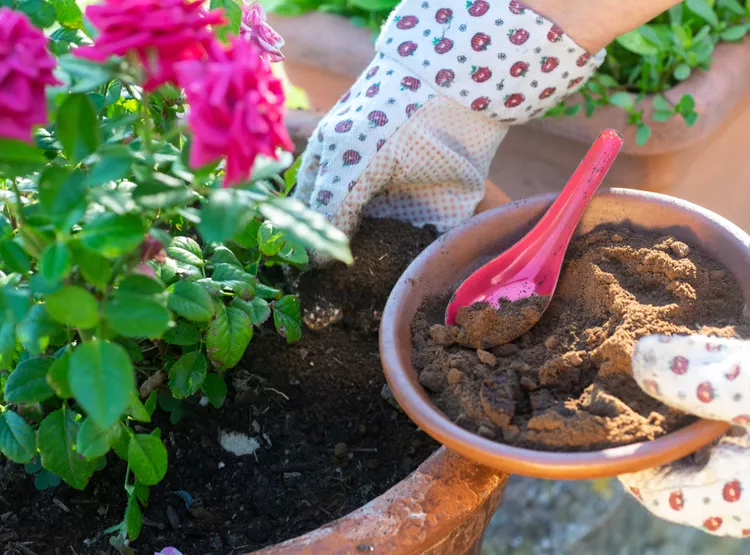
Palms need loose, well-drained soil. O’Gwin recommends using a potting mixture formulated for cactus, palm, and citrus plants. This trio of plants has similar soil needs, so companies offer a mix that suits all three.
If you buy a palm already in a pot, make sure it’s in the right soil. “Some palms will arrive in a rocky media that does not hold onto a lot of moisture, while other palms arrive in peat-based mixtures that dry out slowly,” O’Gwin says. Either one causes trouble if not replaced with more suitable soil.
5. Use the Right Fertilizer
Palms don’t need much fertilizer, but they do need a little to stay healthy in a pot. “Palms have unique fertilizing needs, so I would recommend getting a fertilizer specifically marketed towards palms, and do not fertilize excessively,” O’Gwin says.
Give your plant a slow-release fertilizer formulated for palms that includes iron, manganese, and zinc nutrients. Feed the palm twice a year during its growing season in the spring and summer. Palms go dormant in the fall and winter, so don’t feed them while they’re sleeping. “Over-fertilizing is a common problem in the winter months,” O’Gwin says. “Too much fertilizer can cause brown leaves.”
6. Patrol for Pests
Like many houseplants, palms can be susceptible to pests. “Palms can get spider mites and mealybugs, which are tough to eradicate,” O’Gwin says. Periodically examine your palm plant for signs of trouble.
Mealybugs look like white, sticky masses and are usually found where the leaf meets the stem. Spider mites look like tiny white dots on the leaves. If the spider mite infestation is severe, you’ll see fine webbing on the undersides of the leaves.
If you spot mealybugs, soak a cotton ball in 70 percent isopropyl rubbing alcohol and wipe the bugs off the plant. The alcohol kills them on contact. If you see spider mites, apply neem oil every two to three days until the infestation is gone.
When buying a new palm, inspect it for pests before bringing it home. “If you aren’t confident in your scouting skills, you can ask your local garden center employees for help or visit one of the plant forums online specifically for palm enthusiasts to see images of the pests for comparison,” O’Gwin says.
7. Beware of Drafts
Palms are susceptible to drafts, so you'll need to be careful about where you place them. Don’t put them where an air vent blows directly on them because it can dry out the palm leaves and the soil. Placing palms near a vent can also lower the humidity around the plant, especially in the winter when the heat is blasting.