What is Indirect Light for Plants in Your Home?

7.6K
684
300
2025-10-29
What is Indirect Light for Plants in Your Home?

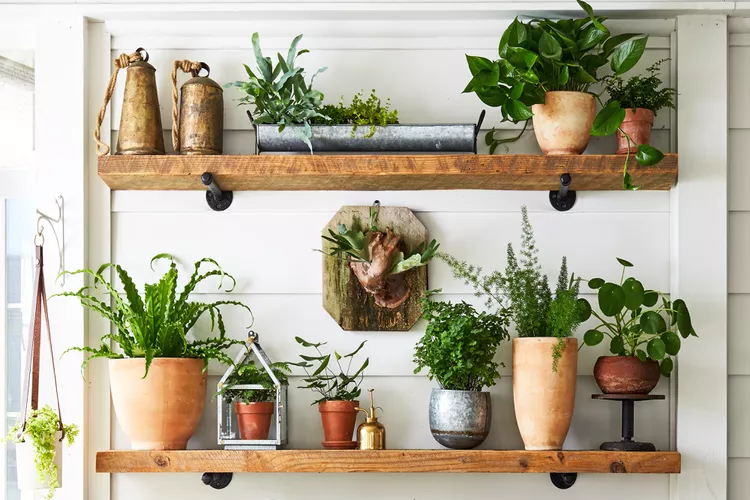
You've probably seen recommendations for placing a houseplant in indirect light, but what exactly does that mean? Of course, light provides the energy plants need to make their own food. But not all plants have the same light requirements—some prefer full sun while others do best in shade. Many of the plants we grow indoors especially need indirect light rather than baking for hours in the strongest sunlight. Here's what you need to know to provide the right amount of indirect light for all your houseplants.

Why Do Plants Need Sunlight at Different Levels?

Knowing a plant’s natural habitat will help you understand the type of light it prefers. Many common houseplants hail from tropical regions where they grow as understory plants in the jungle. But even in a jungle, some plants climb toward more light while others seek shadier locations.

Orchids and bromeliads, for example, often grow attached to upright plants where light is brighter. Whereas peace lilies, prayer plants, and dieffenbachia thrive in the low light on the forest floor. A little research about your plants’ native habitats will provide clues to the best light conditions for each.

Be aware that low light houseplants are often burned by exposure to direct sun. They may display scorching or bleaching of their leaves and flowers. On the other hand, indoor plants that receive less than an optimal amount light may become leggy and/or refuse to flower. Keeping an eye out for either of these issues will help you figure out if a particular plant needs more or less light.

How to Measure Light for Plants

Light meters are tools that help measure light levels. A common unit of light measurement is the foot candle (ftc), which is approximately the amount of light given off by a candle at a distance of one foot. Light meter apps for your phone, such as Photone or Lux Light Meter can help you assess the amount of light in each area of your house. Because the light changes with the time of day, season, and cloud cover, you will need to take a variety of readings to get a feel for the light conditions of your indoor spaces.

Types of Indirect Lighting for Plants

There are three basic levels of indirect light: bright, medium, and low:

  1. Bright indirect light (over 500 ftc) is typically found near a south, east, or west facing window. Houseplants should be shielded from direct sunlight by a sheer curtain or the dappled shade from outdoors. If a south or west facing window has no curtain or shade, move the plant a few feet back from the window so that sunlight doesn't directly hit their leaves. East facing windows get more light in the morning, which tends to be less intense than afternoon sun, so plants may adapt to a situation closer to an unobstructed window. Anthurium, bromeliads, orchids, African violets, and peperomias are some of the many indoor plants that prefer bright indirect light.
  2. Medium indirect light (100-500 ftc) is easiest to achieve in a north facing window that receives no direct sun at all where plants can be set close to the window. Plants that prefer medium indirect light can be place a few feet back from an east or west facing window with similar results. Some common houseplants that thrive in medium indirect light include spider plant, hoya,dracaena, and many ferns.
  3. Low light is exactly what it sounds like—very little exposure to light (25-100 ftc). Think of plants in windowless offices or dimly lit restaurants. While very few plants actually thrive in low light, there are some, such as snake plant, cast iron plant, ZZ plant, and Chinese evergreen that will put up with low light conditions, at least for a while. Giving them a respite of a few weeks in medium indirect light every so often will keep them healthier.

Just like humans, houseplants are more likely to thrive given the right environment. Along with ensuring your plants get the right amount light, it's also important to keep them away from temperature extremes wherever you place them. Don't allow leaves to touch windows, and keep plants away from heating vents or exterior doors where they are subject to cold drafts.
Frequently Asked Questions

  • What's the difference between indirect and direct light for houseplants?

    Direct light generally refers to unfiltered sunlight; indoors this would be a large south or west facing window or skylight with no obstructions. Indirect light is light that is filtered by a shade, sheer curtains, or the leaves on a tree outside the window. It can also refer to light that is reflected off a nearby surface (a light colored wall, for example).

  • Can I use a grow light for houseplants that need indirect light?

    Grow lights are useful for supplementing natural light especially for those houseplants that prefer bright indirect light. Be careful to place the grow light at the proper distance from the plant so that between the natural light and the grow light it receives sufficient light intensity (over 500 foot candles for plants that prefer bright indirect light). The greater the distance between the light and the plant, the lower the intensity. For windows that receive light for only part of the day, you can use grow lights to increase the duration of light.

Related Article

Growing Tomatoes Upside Down—Here's What You Need to Know
1.5K
92
13

Growing Tomatoes Upside Down—Here's What You Need to Know

An upside down tomato planter can be a fun way to grow tomatoes. Get essential tips for growing tomatoes upside down, including the best container to use, types of tomatoes to grow, and how to care for your plants.
How to Grow Catnip Indoors and Outdoors
40.4K
2.8K
1.3K

How to Grow Catnip Indoors and Outdoors

Catnip is a simple herb to grow indoors and outdoors. Here's how to grow catnip and provide proper care so the plant thrives.
How to Plant a Wheelbarrow Fairy Garden
12.7K
885
283

How to Plant a Wheelbarrow Fairy Garden

Create a charming miniature landscape in a vintage wheelbarrow that you can move about as you like.
26 Tiny Plants Perfect for Miniature Landscaping
47.6K
2.9K
1.4K

26 Tiny Plants Perfect for Miniature Landscaping

Create a miniature plant garden by finding out how to pot your tiny plants based on light and zone. See our list of small plants perfect for your containers.
36 Container Garden Ideas to Inspire Your Own Pretty Plantings
21.5K
1.1K
172

36 Container Garden Ideas to Inspire Your Own Pretty Plantings

Use these container garden ideas to create the best-designed planter for your patio, window box, or other container planting.
8 Colorful Flowering Shrubs to Grow for Cut Flowers
9.3K
370
118

8 Colorful Flowering Shrubs to Grow for Cut Flowers

These flowering shrubs not only look gorgeous in your garden, but their flowers can fill your vases for weeks.
How to Plant and Grow Poplar Trees
42.9K
3K
1.5K

How to Plant and Grow Poplar Trees

Straightforward details about planting and growing several types of poplar trees.
19 Flowering Succulents to Grow for Their Stunning Blooms
44.1K
4.4K
926

19 Flowering Succulents to Grow for Their Stunning Blooms

These flowering succulents will fill your home and garden with colorful petals, and most are easy to grow.
4 Expert Tips for When and How to Cut Tulips in Your Garden
14.2K
1.4K
254

4 Expert Tips for When and How to Cut Tulips in Your Garden

Find out when and how to cut tulips and the best way to care for them so they last as long as possible.
How to Grow and Care for Satin Pothos
28.3K
2.3K
565

How to Grow and Care for Satin Pothos

Satin pothos is a popular vining houseplant that loves bright, indirect light. Place it on a mantel, shelf, or desk, and let the vines cascade.
Why Are My Plant’s Leaf Tips Brown? Here Are 3 Possible Reasons
41.6K
2.9K
1.1K

Why Are My Plant’s Leaf Tips Brown? Here Are 3 Possible Reasons

When foliage looks dry and there are brown tips on plants, it’s a warning sign that something needs to change with your care regimen. Here’s how to troubleshoot the problem and prevent it from happening in the first place.
This Bold Shade Garden Plan Brims with Color and Texture
5.4K
483
86

This Bold Shade Garden Plan Brims with Color and Texture

This bold shade garden plan contains gorgeous foliage and flowers that don't need a lot of sun.
This Cold-Climate Shade Garden Plan Features Colorful Perennials
37.5K
1.1K
112

This Cold-Climate Shade Garden Plan Features Colorful Perennials

Even if your winters bring sub-zero temperatures, the tough plants in this simple design will help you spice up a shady spot in your yard.
How to Keep Chipmunks Out of the Garden—and Squirrels, Too
5.6K
389
58

How to Keep Chipmunks Out of the Garden—and Squirrels, Too

Here's how to keep chipmunks out of your garden and stop them (and squirrels) from eating your plants and flowers.
12 Plants with Colorful Leaves for Brightening Up Your Garden
7.5K
525
78

12 Plants with Colorful Leaves for Brightening Up Your Garden

These annuals, perennials, vines, and shrubs have colorful leaves that won't fade like flowers.
18 Native Plants with Year-Round Interest for a Continuously Beautiful Garden
17.4K
1.4K
334

18 Native Plants with Year-Round Interest for a Continuously Beautiful Garden

These native plants help keep your gardening looking good through the seasons.
What Is a Permaculture Garden? Plus 12 Tips for Planting Your Own
30K
1.8K
287

What Is a Permaculture Garden? Plus 12 Tips for Planting Your Own

With these 12 tips on how to grow a permaculture garden, you can streamline garden chores, improve the soil, and grow healthier plants.
Use a Color Wheel to Plan Your Garden
35.7K
356
178

Use a Color Wheel to Plan Your Garden

Create a flower color wheel for your garden as you explore your plant color palette. It's the perfect meeting of gardening and decor! We'll help you discover how to use complementary, analogous, cool, warm colors, and more!
Visiting the Better Homes & Gardens Test Garden®
29.1K
873
279

Visiting the Better Homes & Gardens Test Garden®

The BHG Test Garden is a beautiful green space that has something to see in all seasons.
6 Must-Know Tips for Buying Garden Seeds to Grow Veggies and Flowers
1.9K
131
14

6 Must-Know Tips for Buying Garden Seeds to Grow Veggies and Flowers

When buying garden seeds, use these tips to make smart selections from seed catalogs and garden stores.