Why Are My Plant’s Leaf Tips Brown? Here Are 3 Possible Reasons

41.6K
2.9K
1.1K
2025-11-15
Why Are My Plant’s Leaf Tips Brown? Here Are 3 Possible Reasons

It can be tricky to figure out what’s wrong with a previously green and gorgeous houseplant that starts to look unhealthy. Could the culprit be a disease or something like temperature extremes or a nutrient problem? If you’re wondering why your plant leaves are turning brown, it may be a sign that something is off with your houseplant’s living conditions. Although browning on the foliage can happen for a number of reasons, the most likely causes are the way you’re watering, the amount of humidity around the plant, and too much fertilizer in the potting soil. Here’s how to remedy each of these common houseplant problems that cause brown tips on plants.

1. Inconsistent Watering Habits

Brown tips on houseplant leaves are often an indication that you need to rethink the way you’re watering. When a plant gets overwatered, then dries out too much before the next watering, and then maybe gets just a drizzle, that’s a recipe for brown leaves. With the exception of succulents, which need a light hand with the watering can, most indoor plants prefer a steady supply of moisture. Instead of giving it a drenching one time, then a little bit next time, the best way to water a houseplant is consistently. And it’s always a good idea to keep adding water until you see it run out the drainage holes. Then, make sure to empty the saucer so the pot doesn’t stand in wetness, which will rot the roots and cause a whole new set of problems.

Alternatively, you can bottom water your houseplants by setting their pot into a couple of inches of water and letting it sit for 10 minutes or so until it soaks up moisture through the drainage hole. Then, move the pot back to its regular spot on a saucer. If you tend to overwater your plants, this is an especially good technique to use because once the soil is damp enough, it won’t soak up more water.

2. Lack of Humidity

Brown tips on plants could also be an indication of too little moisture in the air. Many common houseplants are native to jungle conditions so if your home is very dry, give your plants a daily misting especially during winter months. Grouping houseplants together can also help keep humidity levels up. Boost the moisture even more by setting their pots on top of a layer of pebbles in a shallow tray. Then, add water just to the tops of the pebbles (or rim of the tray). As the water evaporates, it’ll create a humid micro-climate to keep leaves looking their best. Add more water as needed.

3. Salt Build-Up in the Soil

Brown leaf tips can also indicate a buildup of salts from fertilizers over time or from softened water. Most potted plants do need a little fertilizer once in a while so they have all the nutrients they need to grow. But just like our own bodies and vitamins, remember that a little goes a long way and more is not necessarily better. Even when you’re feeding your plants just the right amount, salts do tend to accumulate in the potting mix (not adding enough water to drain out the bottom makes it worse). That's one reason it’s a good idea to repot with fresh soil every couple of years. Softened water can also turn the leaf tips brown, so consider using distilled or filtered water to keep your plants happy.

Once you start to address the plant leaves turning brown, your plant should start to grow new, healthy foliage. As for the leaves that still have brown tips, you can snip the dead parts away with a pair of scissors without hurting the plant. For some plants that have long, strap-like foliage, such as dracaena or spider plant, make your cuts at an angle to imitate the natural shape of the leaves. That way, the plant will look almost as good as new until fresh foliage has had a chance to fill in.
Frequently Asked Questions

  • Which houseplants are most likely to get brown leaf tips?

    In general, you’re most likely to see brown leaf tips on plants with slim, pointed leaves and others that are sensitive to the types of care that causes said brown tips, like species that need certain humidity levels, consistent watering, and balanced soil. A few examples include plants like calathea, dracaena, and prayer plant.

  • Why are my houseplant's leaves turning yellow?

    While yellowing leaves can be a natural sign of plant growth and change, a mass yellowing of leaves on a plant is a sign that your plant may be dealing with a root issue. Either the plant is becoming root bound—which is when the roots begin to grow too dense and large for its container—or the roots themselves are waterlogged and are suffering from poor drainage issues.

  • What do brown spots on my houseplant's leaves mean?

    If you’re noticing brown spots on your plant—as opposed to browning leaf tips—chances are there is a disease or pests to blame. Several common plant diseases, such as fungal diseases, manifest themselves as brown spots on leaves. Spider mites can also be a culprit—they leave brown spots on the plant where they munch on the leaves.

Related Article

Growing Tomatoes Upside Down—Here's What You Need to Know
1.5K
92
13

Growing Tomatoes Upside Down—Here's What You Need to Know

An upside down tomato planter can be a fun way to grow tomatoes. Get essential tips for growing tomatoes upside down, including the best container to use, types of tomatoes to grow, and how to care for your plants.
How to Grow Catnip Indoors and Outdoors
40.4K
2.8K
1.3K

How to Grow Catnip Indoors and Outdoors

Catnip is a simple herb to grow indoors and outdoors. Here's how to grow catnip and provide proper care so the plant thrives.
How to Plant a Wheelbarrow Fairy Garden
12.7K
885
283

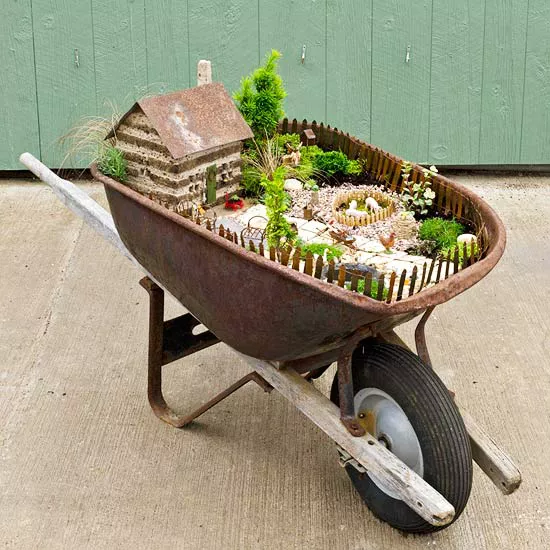
How to Plant a Wheelbarrow Fairy Garden

Create a charming miniature landscape in a vintage wheelbarrow that you can move about as you like.
26 Tiny Plants Perfect for Miniature Landscaping
47.6K
2.9K
1.4K

26 Tiny Plants Perfect for Miniature Landscaping

Create a miniature plant garden by finding out how to pot your tiny plants based on light and zone. See our list of small plants perfect for your containers.
36 Container Garden Ideas to Inspire Your Own Pretty Plantings
21.5K
1.1K
172

36 Container Garden Ideas to Inspire Your Own Pretty Plantings

Use these container garden ideas to create the best-designed planter for your patio, window box, or other container planting.
8 Colorful Flowering Shrubs to Grow for Cut Flowers
9.3K
370
118

8 Colorful Flowering Shrubs to Grow for Cut Flowers

These flowering shrubs not only look gorgeous in your garden, but their flowers can fill your vases for weeks.
How to Plant and Grow Poplar Trees
42.9K
3K
1.5K

How to Plant and Grow Poplar Trees

Straightforward details about planting and growing several types of poplar trees.
19 Flowering Succulents to Grow for Their Stunning Blooms
44.1K
4.4K
926

19 Flowering Succulents to Grow for Their Stunning Blooms

These flowering succulents will fill your home and garden with colorful petals, and most are easy to grow.
4 Expert Tips for When and How to Cut Tulips in Your Garden
14.2K
1.4K
254

4 Expert Tips for When and How to Cut Tulips in Your Garden

Find out when and how to cut tulips and the best way to care for them so they last as long as possible.
How to Grow and Care for Satin Pothos
28.3K
2.3K
565

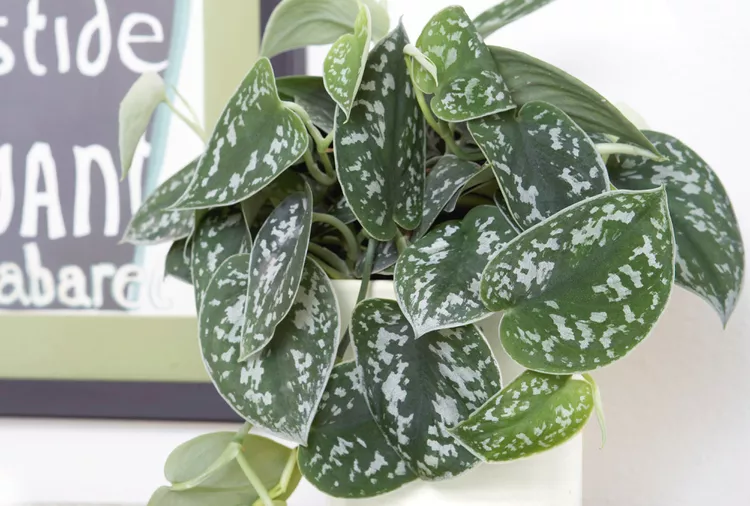
How to Grow and Care for Satin Pothos

Satin pothos is a popular vining houseplant that loves bright, indirect light. Place it on a mantel, shelf, or desk, and let the vines cascade.
Why Are My Plant’s Leaf Tips Brown? Here Are 3 Possible Reasons
41.6K
2.9K
1.1K

Why Are My Plant’s Leaf Tips Brown? Here Are 3 Possible Reasons

When foliage looks dry and there are brown tips on plants, it’s a warning sign that something needs to change with your care regimen. Here’s how to troubleshoot the problem and prevent it from happening in the first place.
This Bold Shade Garden Plan Brims with Color and Texture
5.4K
483
86

This Bold Shade Garden Plan Brims with Color and Texture

This bold shade garden plan contains gorgeous foliage and flowers that don't need a lot of sun.
This Cold-Climate Shade Garden Plan Features Colorful Perennials
37.5K
1.1K
112

This Cold-Climate Shade Garden Plan Features Colorful Perennials

Even if your winters bring sub-zero temperatures, the tough plants in this simple design will help you spice up a shady spot in your yard.
How to Keep Chipmunks Out of the Garden—and Squirrels, Too
5.6K
389
58

How to Keep Chipmunks Out of the Garden—and Squirrels, Too

Here's how to keep chipmunks out of your garden and stop them (and squirrels) from eating your plants and flowers.
12 Plants with Colorful Leaves for Brightening Up Your Garden
7.5K
525
78

12 Plants with Colorful Leaves for Brightening Up Your Garden

These annuals, perennials, vines, and shrubs have colorful leaves that won't fade like flowers.
18 Native Plants with Year-Round Interest for a Continuously Beautiful Garden
17.4K
1.4K
334

18 Native Plants with Year-Round Interest for a Continuously Beautiful Garden

These native plants help keep your gardening looking good through the seasons.
What Is a Permaculture Garden? Plus 12 Tips for Planting Your Own
30K
1.8K
287

What Is a Permaculture Garden? Plus 12 Tips for Planting Your Own

With these 12 tips on how to grow a permaculture garden, you can streamline garden chores, improve the soil, and grow healthier plants.
Use a Color Wheel to Plan Your Garden
35.7K
356
178

Use a Color Wheel to Plan Your Garden

Create a flower color wheel for your garden as you explore your plant color palette. It's the perfect meeting of gardening and decor! We'll help you discover how to use complementary, analogous, cool, warm colors, and more!
Visiting the Better Homes & Gardens Test Garden®
29.1K
873
279

Visiting the Better Homes & Gardens Test Garden®

The BHG Test Garden is a beautiful green space that has something to see in all seasons.
6 Must-Know Tips for Buying Garden Seeds to Grow Veggies and Flowers
1.9K
131
14

6 Must-Know Tips for Buying Garden Seeds to Grow Veggies and Flowers

When buying garden seeds, use these tips to make smart selections from seed catalogs and garden stores.