
A few strongly scented plants can send pesky biting bugs, like mosquitoes and flies, packing. Grow these naturally insect-repelling species to make spending time outside a little more pleasant, and a lot less buggy.
Basil
Grow this excellent mosquito repellent as a centerpiece on your patio table, or plant a drift of basil in your garden bed. Both insect-repelling and a culinary herb, basil is easy to grow from either seed or transplants. Basil also comes in many varieties, and they all repel insects, so choose the variety that best suits your needs. Try 'Thai Magic' for use in Southeast Asian dishes, or 'Spicy Globe' for a tabletop container.
Growing Conditions: Full sun to part shade and evenly moist, well-drained soil
Size: Up to 2 feet tall
Zones: 2–11
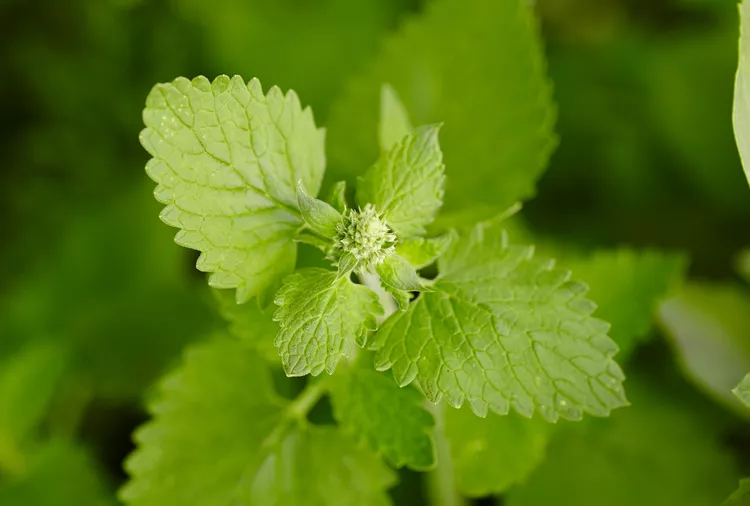
Mint
Insects, such as mosquitoes, ants, and flies don't like the scent of mint plants. Mint purportedly also repels mice and rats. It can be used in the form of crushed leaves, oils, sprays, or even gum to shoo pests away. If you grow it in your garden, keep it contained, because this herb spreads aggressively.
Growing Conditions: Full sun to part shade and evenly moist, well-drained soil
Size: Up to 2 feet tall
Zones: 3–10
Buy It: Spearmint Plant 2-Pack ($13, The Home Depot)
Crush Leaves and Stems
To bring out their power, you need to get rough with your insect-repelling plants, which aren't effective when they're just sitting in a pot or growing in the soil next to your patio. The leaves must be crushed to release their volatile oils, which ward off stinging and biting invaders. So crush a few leaves between your fingers as you pass by. You can also rub the broken leaves on your skin as an extended bug repellent.
Special Note: Test for any allergy first by rubbing the leaves on a quarter-size patch of skin on your inner forearm. If after a day or so there's no irritated reaction, it's likely safe for you to rub away.
Lemongrass
Whether you grow it as a container plant or in the garden, lemongrass has an elegant upright appearance and lovely bright green foliage. The leaves and stems can be harvested for culinary use in Vietnamese and Thai dishes. Snip a few inches off the leaf tips to release the plant's natural bug-repelling oils. Lemongrass is easy to grow from seed and is considered a tender perennial. It doesn't tolerate freezing temperatures, but you can enjoy it year-round if you grow it in a pot and bring it inside for the winter. In warmer regions, it can spread aggressively, so keep it in a container.
Growing Conditions: Full sun and evenly moist, well-drained soil
Size: Up to 4 feet tall
Zones: 9–11
Buy It: 4-Pack Lemongrass ($30, The Home Depot)
Lavender
Lavender's instantly recognizable fresh scent is loved around the world, but it's not so pleasant for some insects. Mosquitoes, moths, and flies tend to stay away from lavender plants in general, but the most effective way to keep them away is to release the plant's oils by rubbing leaves on your skin and nearby surfaces, while lavender essential oil is about as effective as DEET. There are over 400 varieties to choose from, so it should be easy to find one that works in your garden.
Growing Conditions: Full sun and well-drained soil; tolerates drought
Size: Up to 3 feet tall, depending on variety
Zones: 5–10
Buy It: Super Blue Lavender ($11, Walmart)
Remember: Many Bugs Do Good Work
Your garden has plenty of beneficial insects. These hardworking creatures are essential pollinators and crucial to our food system, along with keeping bothersome bugs in check. Protect the ecosystem by avoiding the use of chemical bug repellents unless it's absolutely necessary.
Lemon Thyme
A creeping herb with a bright citrus fragrance, lemon thyme releases oils that repel many kinds of insects. Use lemon thyme as a groundcover and enjoy its insect-repelling properties every time you walk across it. A popular culinary herb, the flavor is best before the plant flowers.
Growing Conditions: Full sun and well-drained soil; tolerates drought
Size: Up to 12 inches tall
Zones: 5–8
Buy It: 2-Pack English Thyme ($14, Lowe's)
Garlic
A great companion plant for many other food crops, garlic can repel several pests when used to create a spray. Plant it near cabbage family members, like kale and broccoli, as well as near carrots and tomatoes. Garlic is planted from individual cloves you can get at the garden center. Plant the cloves in fall, and shoots will emerge from the soil the following spring.
Growing Conditions: Full sun and evenly moist, well-drained soil
Size: Up to 18 inches tall
Zones: 4–9
Catnip
A pretty perennial herb in the mint family, catnip is typically marketed to cat-lovers, but its essential oil, nepetalactone, has mosquito-repelling abilities that rival, even surpass, some commercial sprays. Start catnip from transplants purchased at the garden center, as the tiny seeds are tough to germinate.
Growing Conditions: Full sun and evenly moist, well-drained soil
Size: Up to 3 feet tall
Zones: 3–9
More Bug-Smart Strategies
In addition to using insect-repelling plants in the garden, try these tactics to keep mosquitoes, biting flies, and other annoying bugs at bay.
- Go weed-free. Weeds create food and shelter for bad bugs, as well as robbing nutrients and water from good plants.
- Promote healthy plants. Plant the right plant in the right place to encourage healthy, strong growth that naturally wards off diseases and insects.
- Mulch. A two-inch-thick layer of mulch suppresses weeds and prevents soil moisture loss, creating a healthy growing zone.
- Search for pest-resistant varieties. Some plant varieties are known to be more resistant to pests than others. Search out plants that have the most insect-repelling qualities.
- Eliminate standing water. Standing water invites unwanted pests, especially mosquitoes, which can breed in just 48 hours in very small amounts of stagnant water.