Voles are some of the most destructive plant nibblers around, prompting many gardeners to figure out how to get rid of voles at the first sign of damage. These small rodents will chew on tree bark and devour plant roots, plus their tunneling can quickly ruin grass lawns. However, there are plenty of all-natural and humane ways to get rid of voles that don’t involve harmful poisons. You'll find effective tips for controlling and preventing vole damage in this guide.
Moles and Voles: What’s the Difference?
Before deciding how to get rid of voles in your yard, you should first make sure you are in fact dealing with voles and not moles, which are often confused. Both are small, burrowing mammals with dark fur. However, the resemblance between these two creatures ends there. Voles are rodents, but moles are more closely related to shrews and hedgehogs, which aren't actually rodents.
Moles are primarily carnivorous, and they feed on insect larvae and earthworms in the soil, which can benefit gardeners. These animals are famous for their large front paws, which are adapted for digging, and their curiously shaped, pink snouts that look a bit like sea anemones. Moles are slightly larger than voles, and their tunnels are bigger. Moles often leave behind distinct, volcano-shaped mounds of soil when excavating their underground burrows.
Voles, on the other hand, are omnivorous, but they mostly eat plant roots and leaves. Voles closely resemble field mice, and they have dark gray-to-brown fur, round ears, and stubby tails. Compared to moles, vole tunnels are usually closer to the soil surface, and voles don’t leave heaps of soil beside their burrow entrances.
Signs You Have Voles
Voles spend most of their time underground, so you may never see them at work. However, you can usually identify vole infestations by the signs they leave behind, including:
- Narrow, snaking tunnels near the surface of the soil in lawns and gardens.
- Partially eaten flower bulbs and root vegetables. Sometimes, voles eat entire carrots and leave the greens behind.
- Small, ¼-inch-wide chew marks on the bark around the base of trees and shrubs.
Voles are most active in spring, and their tunnels are mostly noticed in spring after the snow melts.
Populations of voles often boom on a 3- to 5-year cycle, and you may notice more voles after mild winters with heavy snowfall.
What Plants Do Voles Eat?
Voles eat a wide variety of plants, but they’re particularly fond of tree bark and plant roots. Plants that attract voles include:
- Some types of ornamental bulbs and tubers, like dahlias, tulips, and crocuses
- Root vegetables, such as carrots, sweet potatoes, turnips, beets, potatoes, and parsnips
- Turf grass
- Fruit tree bark
Natural Ways to Prevent and Repel Voles
Voles are part of a larger ecosystem, and using poison baits to control voles is not recommended, as it can inadvertently harm other wildlife, like foxes, hawks, and owls. However, there are plenty of all-natural and effective ways to combat vole problems that are safe and earth-friendly.
1. Experiment with container growing.
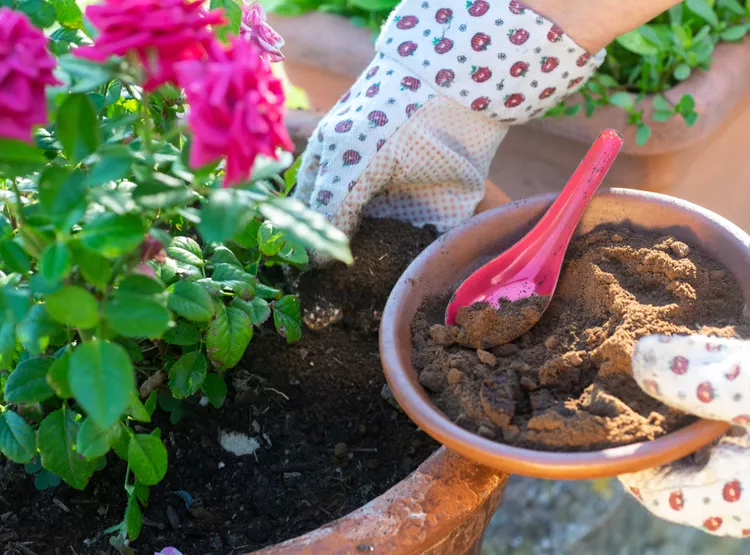
One way to handle vole problems is to grow the plants that voles favor in sturdy containers that keep out digging animals. Growing potatoes and other root crops in fabric grow bags works well for small-space gardeners, while growers with large properties might want to install raised bed gardens with hardware cloth attached to the base of the beds.
2. Use barriers.
If you don’t want to grow plants in containers, use other barrier products to safeguard your garden and trees. Low fences made of ½-inch hardware cloth installed around garden beds and sunk 6 to 10 inches into the soil shield gardens from vole problems, while tree guards and bulb cages are handy for protecting fruit trees and ornamental bulbs. Just make sure the tree guards aren’t too tight and install them as close to the ground as possible to keep voles from sneaking under the barriers.
3. Install live traps.
Live traps can be used to control voles, but you’ll need to be consistent about using them. Install rat traps perpendicular to vole tunnels or near the base of trees where voles are known to nest. Check the traps often, and bait them with peanut butter to entice voles. When you catch a vole, follow local guidelines to release and relocate voles far from human habitations.
4. Try out companion planting.
Some strongly scented plants naturally repel voles, and growing these plants near vulnerable crops helps keep vole damage to a minimum. In particular, garlic and many other allium plants are known to repel garden pests, including voles. The scent of catmint is also known to be a vole deterrent.
5. Apply repellant sprays.
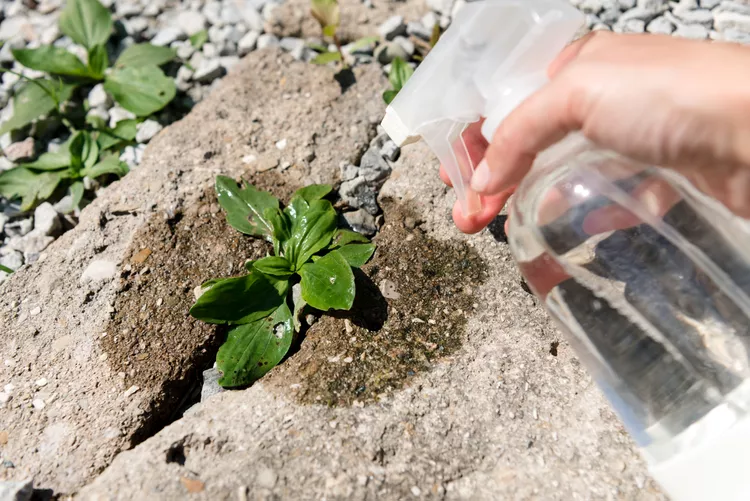
Store-bought and homemade repellant sprays can be useful for vole control, but these sprays need to be reapplied regularly and after heavy rain. Products made with predator urine, castor
oil, or hot peppers help keep voles away, and they’re easy to apply around gardens and lawns with a garden sprayer.
6. Keep yards tidy.
Regular maintenance of lawns and gardens is one of the best ways to keep voles under control, and it’s also beneficial for the plants. Trimming shrubs away from the ground, weeding, mowing, raking up leaves and twigs, and limiting brush piles reduces vole hiding spots and makes voles less likely to stick around your garden. If you apply mulch around the base of trees, rake the mulch away from the trunks to discourage voles from burrowing in it to easily reach the tree bark.
7. Attract natural predators.
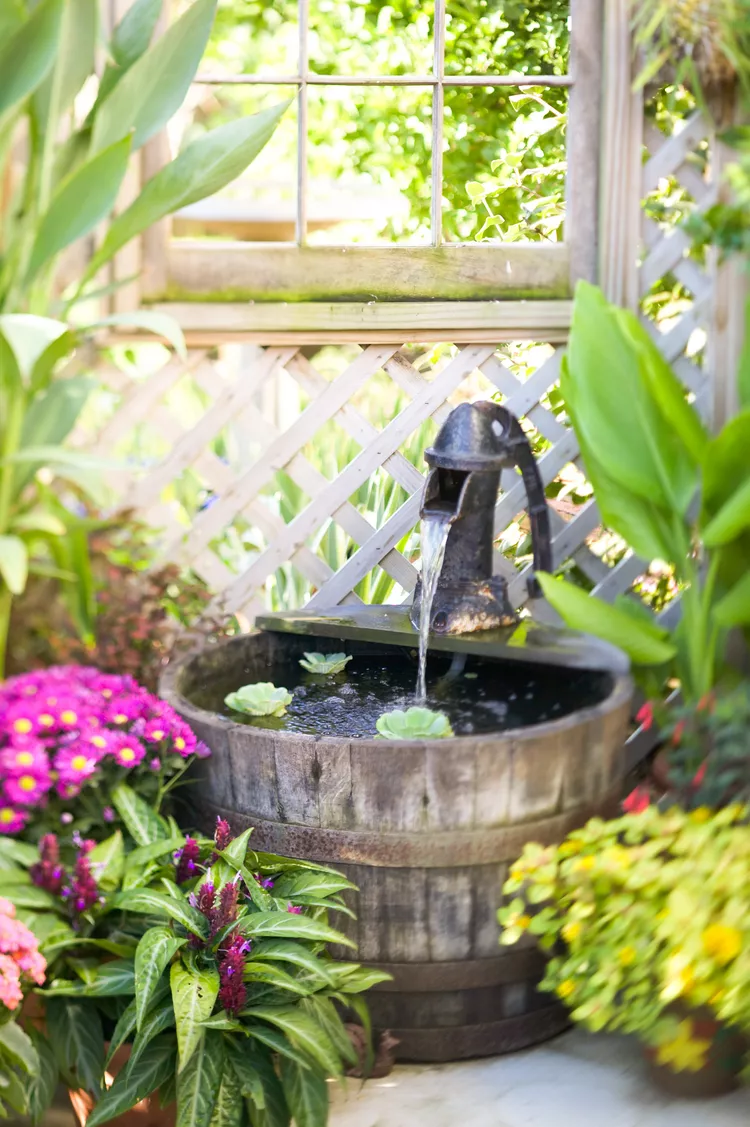
Cleaning up your garden makes voles more visible to predatory animals like hawks and owls that can keep vole populations in check. You can make your garden even more attractive to predatory birds by adding a water feature with moving water and growing trees that serve as natural perches.
8. Grow vole-proof plants.
While voles do a lot of damage to root vegetables and some trees, they aren’t attracted to all types of plants. Growing plants that voles hate can keep your garden vole-proof. For instance, voles usually leave daffodils, grape hyacinth, fritillaria, hellebores, and snowdrops alone, and they’re not attracted to salvias, alliums, and mint plants.