Prevent Damping Off Disease in Seedlings with These 8 Simple Tips

3.7K
73
21
2025-10-24
Prevent Damping Off Disease in Seedlings with These 8 Simple Tips

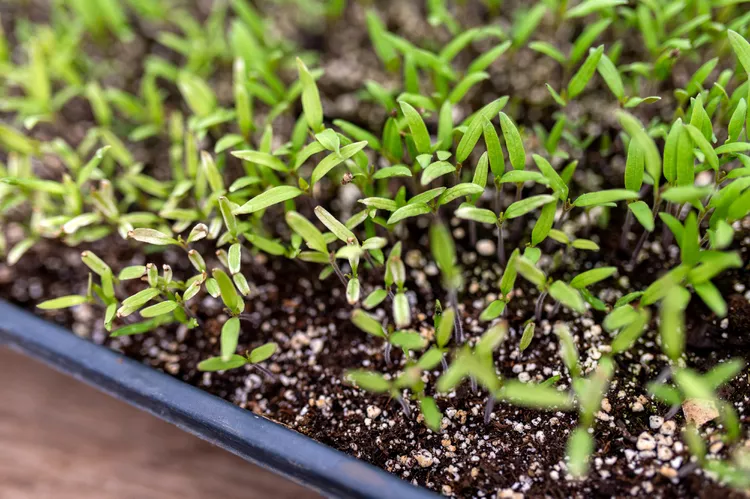
Damping off is a common plant disease that affects seed germination rates and can cause entire flats of newly sprouted seedlings to rapidly wither and die. Both vegetable and flowering plants are susceptible to damping off, and infected plants cannot be cured. While combating plant diseases can be challenging, there are several ways to prevent damping off in seedlings. This guide will walk you through what you need to know to keep your sprouting seedlings healthy.

What Is Damping Off?

Damping off disease is caused by several types of fungi, including Pythium, Botrytis, and Fusarium, which naturally occur in soils and are particularly prevalent in cool, moist conditions. These plant pathogens are common in outdoor gardens, but they can also creep indoors and infect potting mixes. Seedlings are most vulnerable to damping off spores immediately after they germinate, and plants become more resistant after their true leaves appear.

Damping Off Disease Symptoms

If you’ve ever had a flat of seedlings wilt rapidly even though they were watered correctly, you’ve likely encountered damping off. Although damping off is common, the symptoms vary significantly because several types of fungi cause it.

Some of the most common signs you may be dealing with damping off include:

  • Seeds don’t germinate.
  • Seedlings rapidly die or wither.
  • Seedling stems look shriveled and thin or like they’ve been pinched off at the soil line and collapsed.
  • Seedling leaves are mushy, discolored, or wilted, even when they receive enough water.
  • Seedlings have stunted or absent roots.
  • Cobweb-like mold develops on seedlings and the soil line. (Not to be confused with seedling root hairs, which are normal.)

If your seedlings succumb to damping off disease, isolate and dispose of the infected seedlings immediately. Don’t compost any infected plant material or potting mixes, because damping off spores can survive the composting process.

Tips for Preventing Damping Off

Damping off isn’t curable, so the best thing to do is focus on prevention. These growing tips will help you protect indoor and outdoor seedlings from damping off.

1. Disinfect plant pots and trays.

If you start seedlings indoors, disinfect any seedling-growing trays, trowels, humidity domes, plant labels, and other supplies if you used them during previous growing seasons. These supplies can sometimes harbor damping off spores, which can infect new seeds after you sow them. Disinfect the supplies by spraying or wiping them with rubbing alcohol and letting them dry or soaking them in a 10% bleach solution for 30 minutes.

2. Use fresh seed-starting mix.

Old potting mixes can sometimes be infected with damping off disease and should never be reused for seed starting. Instead, use fresh seed-starting mix and steer clear of regular potting mix or garden soil for indoor seeds. Standard potting mixes and garden soil don’t drain as well as seed-starting mixes, and garden soil may contain damping off spores.

3. Add a fan.

Damping off thrives in cool, moist conditions with stagnant air, and it’s particularly prevalent in closed-up growing rooms with poor airflow. However, adding a small fan to the space can boost air circulation and keep seedlings healthy. Also, don’t forget to remove humidity domes after seedlings sprout.

4. Don’t overwater.

Overwatering and soggy soil also encourage damping off, but they can be avoided by following proper watering guidelines. Start seeds in well-draining pots and only water seedlings when the top of the soil feels slightly dry to the touch. For even better results, water seedling trays from the bottom to keep plant leaves dry.

5. Use grow lights and a heat mat.

Damping off is more likely to occur in slow-growing seeds that take a while to germinate, while fast-growing seeds tend to be more resistant. One way to speed up germination is to use grow lights for 12 to 16 hours a day. Another option is to keep seedling trays on heating mats, but remember to turn the mats off after the seeds sprout.

6. Experiment with soil amendments.

Studies have found that certain soil amendments, like worm castings and biochar, can protect seedlings from damping off. Adding some of these amendments to seed-starting mixes can give your seedlings an advantage.

7. Thin out seedlings.

Overcrowded seedlings can become stressed and are more prone to damping off due to poor air circulation. Keep seedlings healthy by thinning them out (if needed) after they’re a few inches tall and have at least two sets of true leaves.

8. Plant outdoor seedlings at the right time.

Waiting to plant seeds in spring can be difficult, but planting seeds outdoors too early increases the chances of damping off. Most seeds germinate faster in warm soil; seeds planted outside too early are slower to germinate and more vulnerable to damping off. Seed packets typically state when and how to plant seeds; following these instructions will boost seed germination rates and help you grow healthier seedlings.
Frequently Asked Questions

  • Does cinnamon help with damping off?

    Cinnamon has anti-fungal properties and can be used to protect seedlings against damping off. To apply, sprinkle a light dusting of cinnamon powder over the seed-starting mix after planting seeds.

  • How do I know if my seedlings have damping off disease?

    Cutworms, underwatering, and some plant diseases resemble damping off at first glance, but carefully inspecting seedling stems can help you positively identify damping off. Cutworms typically snip stems off in a sharp line, while damping off causes stems to shrivel.

  • Can fungus gnats cause damping off?

    Yes, fungus gnats can transmit pythium spores, which lead to damping off. Watering seedlings correctly and using apple cider vinegar traps can control fungus gnats naturally.

Related Article

Growing Tomatoes Upside Down—Here's What You Need to Know
1.5K
92
13

Growing Tomatoes Upside Down—Here's What You Need to Know

An upside down tomato planter can be a fun way to grow tomatoes. Get essential tips for growing tomatoes upside down, including the best container to use, types of tomatoes to grow, and how to care for your plants.
How to Grow Catnip Indoors and Outdoors
40.4K
2.8K
1.3K

How to Grow Catnip Indoors and Outdoors

Catnip is a simple herb to grow indoors and outdoors. Here's how to grow catnip and provide proper care so the plant thrives.
How to Plant a Wheelbarrow Fairy Garden
12.7K
885
283

How to Plant a Wheelbarrow Fairy Garden

Create a charming miniature landscape in a vintage wheelbarrow that you can move about as you like.
26 Tiny Plants Perfect for Miniature Landscaping
47.6K
2.9K
1.4K

26 Tiny Plants Perfect for Miniature Landscaping

Create a miniature plant garden by finding out how to pot your tiny plants based on light and zone. See our list of small plants perfect for your containers.
36 Container Garden Ideas to Inspire Your Own Pretty Plantings
21.5K
1.1K
172

36 Container Garden Ideas to Inspire Your Own Pretty Plantings

Use these container garden ideas to create the best-designed planter for your patio, window box, or other container planting.
8 Colorful Flowering Shrubs to Grow for Cut Flowers
9.3K
370
118

8 Colorful Flowering Shrubs to Grow for Cut Flowers

These flowering shrubs not only look gorgeous in your garden, but their flowers can fill your vases for weeks.
How to Plant and Grow Poplar Trees
42.9K
3K
1.5K

How to Plant and Grow Poplar Trees

Straightforward details about planting and growing several types of poplar trees.
19 Flowering Succulents to Grow for Their Stunning Blooms
44.1K
4.4K
926

19 Flowering Succulents to Grow for Their Stunning Blooms

These flowering succulents will fill your home and garden with colorful petals, and most are easy to grow.
4 Expert Tips for When and How to Cut Tulips in Your Garden
14.2K
1.4K
254

4 Expert Tips for When and How to Cut Tulips in Your Garden

Find out when and how to cut tulips and the best way to care for them so they last as long as possible.
How to Grow and Care for Satin Pothos
28.3K
2.3K
565

How to Grow and Care for Satin Pothos

Satin pothos is a popular vining houseplant that loves bright, indirect light. Place it on a mantel, shelf, or desk, and let the vines cascade.
Why Are My Plant’s Leaf Tips Brown? Here Are 3 Possible Reasons
41.6K
2.9K
1.1K

Why Are My Plant’s Leaf Tips Brown? Here Are 3 Possible Reasons

When foliage looks dry and there are brown tips on plants, it’s a warning sign that something needs to change with your care regimen. Here’s how to troubleshoot the problem and prevent it from happening in the first place.
This Bold Shade Garden Plan Brims with Color and Texture
5.4K
483
86

This Bold Shade Garden Plan Brims with Color and Texture

This bold shade garden plan contains gorgeous foliage and flowers that don't need a lot of sun.
This Cold-Climate Shade Garden Plan Features Colorful Perennials
37.5K
1.1K
112

This Cold-Climate Shade Garden Plan Features Colorful Perennials

Even if your winters bring sub-zero temperatures, the tough plants in this simple design will help you spice up a shady spot in your yard.
How to Keep Chipmunks Out of the Garden—and Squirrels, Too
5.6K
389
58

How to Keep Chipmunks Out of the Garden—and Squirrels, Too

Here's how to keep chipmunks out of your garden and stop them (and squirrels) from eating your plants and flowers.
12 Plants with Colorful Leaves for Brightening Up Your Garden
7.5K
525
78

12 Plants with Colorful Leaves for Brightening Up Your Garden

These annuals, perennials, vines, and shrubs have colorful leaves that won't fade like flowers.
18 Native Plants with Year-Round Interest for a Continuously Beautiful Garden
17.4K
1.4K
334

18 Native Plants with Year-Round Interest for a Continuously Beautiful Garden

These native plants help keep your gardening looking good through the seasons.
What Is a Permaculture Garden? Plus 12 Tips for Planting Your Own
30K
1.8K
287

What Is a Permaculture Garden? Plus 12 Tips for Planting Your Own

With these 12 tips on how to grow a permaculture garden, you can streamline garden chores, improve the soil, and grow healthier plants.
Use a Color Wheel to Plan Your Garden
35.7K
356
178

Use a Color Wheel to Plan Your Garden

Create a flower color wheel for your garden as you explore your plant color palette. It's the perfect meeting of gardening and decor! We'll help you discover how to use complementary, analogous, cool, warm colors, and more!
Visiting the Better Homes & Gardens Test Garden®
29.1K
873
279

Visiting the Better Homes & Gardens Test Garden®

The BHG Test Garden is a beautiful green space that has something to see in all seasons.
6 Must-Know Tips for Buying Garden Seeds to Grow Veggies and Flowers
1.9K
131
14

6 Must-Know Tips for Buying Garden Seeds to Grow Veggies and Flowers

When buying garden seeds, use these tips to make smart selections from seed catalogs and garden stores.