How to Plant, Grow, and Care for Fishtail Palm

39K
3.5K
527
2025-10-19
How to Plant, Grow, and Care for Fishtail Palm

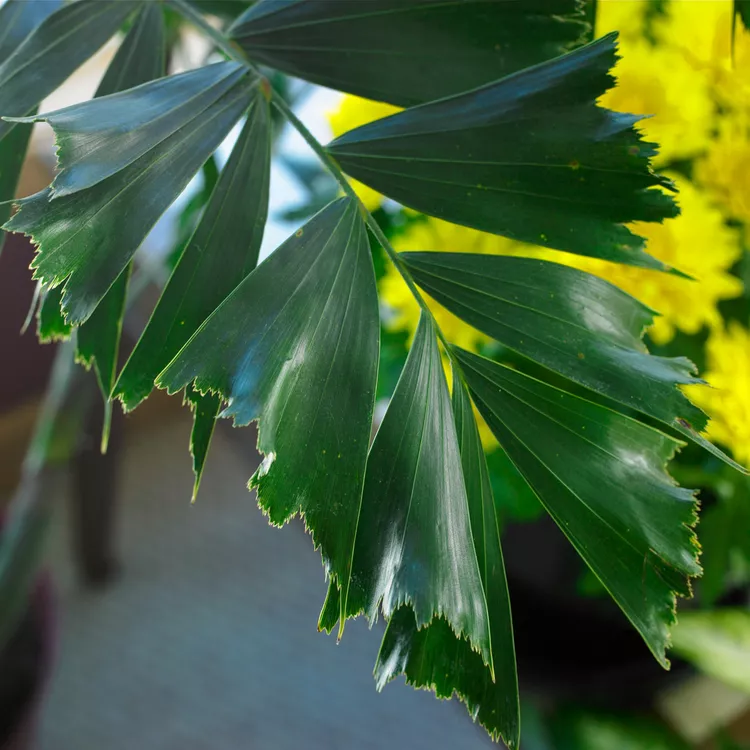
Fishtail palm trees feature compound leaves that reach large sizes, as does the tree itself. Each leaflet on the enormous fronds feature ragged edges that resemble the tails of fish. Whether you grow this tree indoors as a houseplant or outside on a seasonal basis (or permanently in Zones 9-11), it adds a tropical touch wherever you grow it.

Worth noting: Most varieties of clump-forming fishtail palm trees are good outdoor substitutes for invasive bamboo (the world's fastest-growing plants).

Fishtail palms are toxic to dogs, cats, and people because they contain calcium oxalate crystals.

Fishtail Palm Overview

Genus Name Caryota sp.
Common Name Fishtail Palm
Plant Type Houseplant, Tree
Light Part Sun, Sun
Height 8 to 20 feet
Width 10 to 35 feet
Foliage Color Blue/Green
Special Features Low Maintenance
Zones 10, 11, 9
Propagation Seed
Problem Solvers Drought Tolerant

Where to Plant Fishtail Palm

Fishtail palm trees are tricky to grow as houseplants. The biggest limiting factor is the tree's ultimate size. Even smaller species can reach 20 feet tall, so any specimen will likely outgrow its space. If you decide to give it a go, plant the tree in a pot with enough room to accommodate its growth. These trees are tough and slow-growing, so even in less-than-ideal conditions, your specimen will survive. It will decline over time, however.

Fishtail Palm Care Tips

Light

Light is a limiting factor when growing fishtail palms because most indoor lighting can't equal the bright light these trees need to thrive. In the outdoors, they grow amidst taller trees that help filter out the light and heat, so plant them in a sunny spot that gets morning sun and less direct light later in the day.

Soil and Water

Use a cactus soil mix or a general-purpose potting mix with sand or perlite mixed in to create excellent drainage, because these trees like it on the drier side. Add water to fishtail palms whenever the soil feels dry to the touch, which you can test by sticking a finger in the soil about an inch deep. Damp soil means you don't need to water.

Temperature and Humidity

Fishtail palms are fussy about humidity and need at least 50% humidity to grow and stay healthy. Indoors, you can add a humidifier near the tree or place a tray of pebbles in water under its pot. Keep plants away from air vents or drafty areas. If your home is kept between 65ºF and 85ºF, your tree will do fine.

Fertilizer

During the fishtail's growing season, add fertilizer once a month after watering. At a minimum, give your tree a slow-release fertilizer every few months. Use fertilizer specifically for palm trees for best results.

Pruning

There's no need to prune fishtail palms. If you spot dead leaves, trim them off the tree. You can also prune if the tree is getting too large for your space. Trim the tops of leaves at the top of the tree to prevent it from growing taller.

Potting and Repotting Fishtail Palm

You'll know it's time to repot your fishtail palm when you spot roots growing out of drainage holes or the plant has completely filled the container. You shouldn't need to repot a fishtail palm more than every few years. Gently slide it out of its container and move it to one a size bigger. Don't go too big, or water will collect around the plant and cause damage.

Pests and Problems

Fishtail palms don't generally have pests. Problems are few, but if you see yellowing foliage, it means there's not enough humidity for your plant. If you see limp, wilting foliage, it means your soil is too wet and the plant may have root rot. In that case, try repotting with fresh soil and reducing the amount you water.

How to Propagate Fishtail Palm

If you have a suckering fishtail palm, it's easy to propagate through divisions. You'll need gloves, snips, a shovel, and a pot. (The pot size should match the size of the sucker and the length and number of its roots.) 

Here's how to propagate your fishtail palm:

  1. Add well-draining soil to the bottom of the pot. 
  2. Carefully remove the palm by gently pulling on it, or use the shovel for additional help.
  3. Shake the excess dirt off the roots so you can see them clearly. 
  4. You should see a natural division between the mother plant and the suckers. Carefully pull and separate the plants. Use snips to cut through the roots if they're too tangled to unravel.
  5. Add each division to a separate container. Cover the roots with soil. 
  6. Allow excess water to drain away after watering the plants.

Types of Fishtail Palm

Toddy fishtail palm

Caryota urens gets its name from the fact that sap from its flower is sometimes collected to make an alcoholic beverage or toddy. It is a large tree reaching 50 feet tall and forming a gray trunk up to 18 inches in diameter. Zones 10-11.

Giant fishtail palm

Caryota gigas is the largest of the fishtail palms, growing 70 feet tall. It will withstand temperatures to 28 degrees F and grows best where nights are cool. Giant fishtail palm lives 25-30 years. Zones 10-11.

Clumping fishtail palm

Caryota mitis grows 20 feet tall and 15 feet wide and prefers moist soil. It usually sends up multiple stems or trunks. It is sometimes grown indoors as a large houseplant. Once the plant begins to flower in the landscape, it dies over a two-year period, but seedlings often take the place of the dying stems. Zones 10-11.
Frequently Asked Questions

  • Do fishtail palms produce fruit?

    Fishtail palm trees bear both male and female blossoms on the same plant, which makes fruit production possible on a single specimen. Each of the small red fruits contains a single seed, which is edible if you completely clean off the stinging outer flesh that contains oxalic acid crystals. Wear gloves when retrieving the seed or removing fallen fruit to prevent skin irritation.

  • How quickly does fishtail palm grow?

    Fishtail palms are fast-growing trees. Once they're established, these plants can grow 12 to 24 inches per year.

  • Where do fishtail palms come from?

    Fishtail palms are native to the humid and tropical forests of Asia, northern Australia, and the South Pacific.

Related Article

Growing Tomatoes Upside Down—Here's What You Need to Know
1.5K
92
13

Growing Tomatoes Upside Down—Here's What You Need to Know

An upside down tomato planter can be a fun way to grow tomatoes. Get essential tips for growing tomatoes upside down, including the best container to use, types of tomatoes to grow, and how to care for your plants.
How to Grow Catnip Indoors and Outdoors
40.4K
2.8K
1.3K

How to Grow Catnip Indoors and Outdoors

Catnip is a simple herb to grow indoors and outdoors. Here's how to grow catnip and provide proper care so the plant thrives.
How to Plant a Wheelbarrow Fairy Garden
12.7K
885
283

How to Plant a Wheelbarrow Fairy Garden

Create a charming miniature landscape in a vintage wheelbarrow that you can move about as you like.
26 Tiny Plants Perfect for Miniature Landscaping
47.6K
2.9K
1.4K

26 Tiny Plants Perfect for Miniature Landscaping

Create a miniature plant garden by finding out how to pot your tiny plants based on light and zone. See our list of small plants perfect for your containers.
36 Container Garden Ideas to Inspire Your Own Pretty Plantings
21.5K
1.1K
172

36 Container Garden Ideas to Inspire Your Own Pretty Plantings

Use these container garden ideas to create the best-designed planter for your patio, window box, or other container planting.
8 Colorful Flowering Shrubs to Grow for Cut Flowers
9.3K
370
118

8 Colorful Flowering Shrubs to Grow for Cut Flowers

These flowering shrubs not only look gorgeous in your garden, but their flowers can fill your vases for weeks.
How to Plant and Grow Poplar Trees
42.9K
3K
1.5K

How to Plant and Grow Poplar Trees

Straightforward details about planting and growing several types of poplar trees.
19 Flowering Succulents to Grow for Their Stunning Blooms
44.1K
4.4K
926

19 Flowering Succulents to Grow for Their Stunning Blooms

These flowering succulents will fill your home and garden with colorful petals, and most are easy to grow.
4 Expert Tips for When and How to Cut Tulips in Your Garden
14.2K
1.4K
254

4 Expert Tips for When and How to Cut Tulips in Your Garden

Find out when and how to cut tulips and the best way to care for them so they last as long as possible.
How to Grow and Care for Satin Pothos
28.3K
2.3K
565

How to Grow and Care for Satin Pothos

Satin pothos is a popular vining houseplant that loves bright, indirect light. Place it on a mantel, shelf, or desk, and let the vines cascade.
Why Are My Plant’s Leaf Tips Brown? Here Are 3 Possible Reasons
41.6K
2.9K
1.1K

Why Are My Plant’s Leaf Tips Brown? Here Are 3 Possible Reasons

When foliage looks dry and there are brown tips on plants, it’s a warning sign that something needs to change with your care regimen. Here’s how to troubleshoot the problem and prevent it from happening in the first place.
This Bold Shade Garden Plan Brims with Color and Texture
5.4K
483
86

This Bold Shade Garden Plan Brims with Color and Texture

This bold shade garden plan contains gorgeous foliage and flowers that don't need a lot of sun.
This Cold-Climate Shade Garden Plan Features Colorful Perennials
37.5K
1.1K
112

This Cold-Climate Shade Garden Plan Features Colorful Perennials

Even if your winters bring sub-zero temperatures, the tough plants in this simple design will help you spice up a shady spot in your yard.
How to Keep Chipmunks Out of the Garden—and Squirrels, Too
5.6K
389
58

How to Keep Chipmunks Out of the Garden—and Squirrels, Too

Here's how to keep chipmunks out of your garden and stop them (and squirrels) from eating your plants and flowers.
12 Plants with Colorful Leaves for Brightening Up Your Garden
7.5K
525
78

12 Plants with Colorful Leaves for Brightening Up Your Garden

These annuals, perennials, vines, and shrubs have colorful leaves that won't fade like flowers.
18 Native Plants with Year-Round Interest for a Continuously Beautiful Garden
17.4K
1.4K
334

18 Native Plants with Year-Round Interest for a Continuously Beautiful Garden

These native plants help keep your gardening looking good through the seasons.
What Is a Permaculture Garden? Plus 12 Tips for Planting Your Own
30K
1.8K
287

What Is a Permaculture Garden? Plus 12 Tips for Planting Your Own

With these 12 tips on how to grow a permaculture garden, you can streamline garden chores, improve the soil, and grow healthier plants.
Use a Color Wheel to Plan Your Garden
35.7K
356
178

Use a Color Wheel to Plan Your Garden

Create a flower color wheel for your garden as you explore your plant color palette. It's the perfect meeting of gardening and decor! We'll help you discover how to use complementary, analogous, cool, warm colors, and more!
Visiting the Better Homes & Gardens Test Garden®
29.1K
873
279

Visiting the Better Homes & Gardens Test Garden®

The BHG Test Garden is a beautiful green space that has something to see in all seasons.
6 Must-Know Tips for Buying Garden Seeds to Grow Veggies and Flowers
1.9K
131
14

6 Must-Know Tips for Buying Garden Seeds to Grow Veggies and Flowers

When buying garden seeds, use these tips to make smart selections from seed catalogs and garden stores.