How to Plant and Grow Mandevilla

30.1K
2.1K
400
2025-10-21
How to Plant and Grow Mandevilla

A classic tropical vine, mandevilla (Mandevilla spp.) is a great way to add a splash of color to any sunny vertical space in your garden. With big, showy blooms that continue all summer and the fact that the plant is low-maintenance makes it a top vine choice. Mandevilla vines have seen a resurgence in popularity in recent years, and breeding work continues to expand the vine’s varieties.

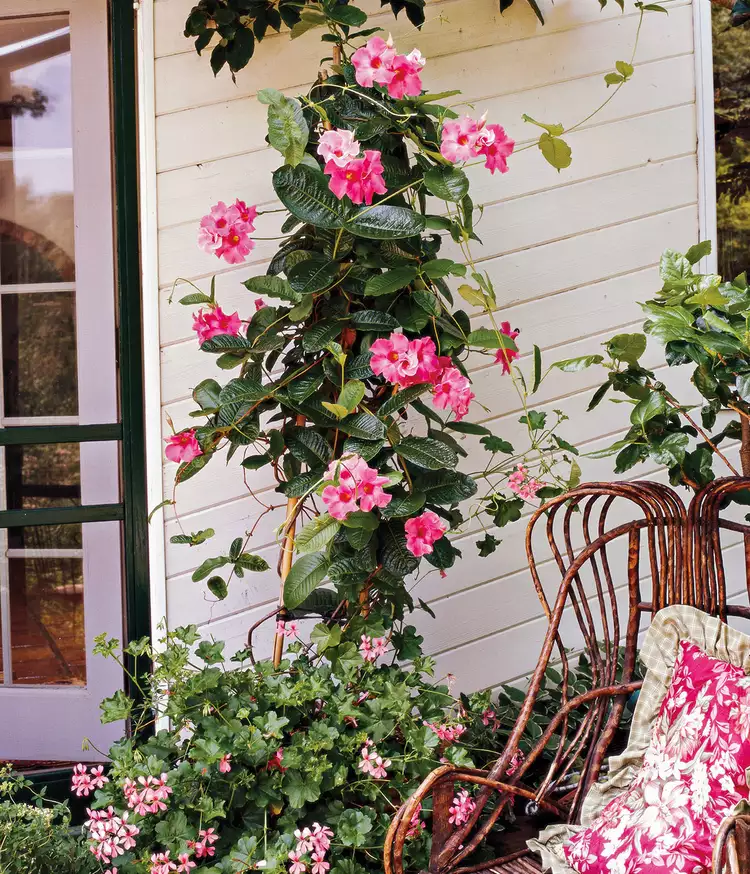
Mandevillas are all about the big, tropical-looking blooms. They come in shades of pink, red, and white, and many shades in between. Now there's a new color added to the range, a beautiful apricot. The large five-petaled blooms often have a rich golden throat inside that adds to the tropical look. Flowers are borne in clusters that will continue to grow and add more buds all the time. Be careful not to damage these growing points of the bloom clusters, or new buds will not form on that stalk. The size of the blooms can vary quite a bit depending on the variety. In general, smaller flowers tend to be much more abundant, and the larger blooms are a little more sparse but quite grand.

Although mandevilla is not classified as toxic to animals by the ASPCA, it can be mildly toxic when ingested, so keep the plant in a spot away from curious kids or pets. Also, the milky sap it exudes when cut can irritate skin upon contact.

Mandevilla Overview

Genus Name Mandevilla
Common Name Mandevilla
Plant Type Annual, Perennial, Vine
Light Sun
Height 3 to 8 feet
Width null to 20 feet
Flower Color Pink, Red, White
Foliage Color Blue/Green
Season Features Fall Bloom, Summer Bloom
Special Features Good for Containers, Low Maintenance
Zones 10, 11
Propagation Stem Cuttings
Problem Solvers Deer Resistant

Where to Plant Mandevilla

While mandevilla is usually grown as an annual because it dies when exposed to near-freezing temperatures, it can be overwintered indoors. It is perennial in the frost-free areas of USDA Hardiness Zones 10–11. Mandevilla is an excellent choice for the garden or patio.

How and When to Plant Mandevilla

Plant mandevilla outside in mid to late spring after the temperature consistently exceeds at least 50°F. Vining varieties benefit from a trellis or other support. If you plan to overwinter the plant indoors, plant it in a container with drainage holes and filled with all-purpose potting soil.

Mandevilla Care Tips

As far as care goes for these plants, mandevillas are low maintenance.

Light

Mandevilla needs 6 to 8 hours of full sun for best flower production. In the hottest regions, it benefits from some shade during the afternoon.

Soil and Water

When planting outside, select a site with good drainage and rich soil. Amend the planting area with compost or other organic matter to support the blooms. Water regularly to keep the soil moist but not overly wet.

Temperature and Humidity

The preferred temperature range for mandevilla that grows outside is 68–90°F. Anything lower than 50°F is likely to damage the plant. If the plant is overwintering indoors, keep the temperature in the 60–65°F range at night and 70°F or warmer in daytime.

Fertilizer

Like most vigorous plants that bloom for long periods, mandevilla benefits from a good dose of fertilizer every once in a while.

Pruning

When growing mandevilla year round, this plant should be pruned once per year. The best time to do this is in early spring, before it produces new growth. If you prune too late, then you could remove potential buds. If growing the plants as annuals, you can trim them back lightly whenever they get a little too wild for your liking. Plus, this will encourage more branching and blooms.

Potting and Repotting

When potting a mandevilla, use a lightweight, well-draining potting mix. Trim any dead or damaged roots, and position the plant at the same depth as in its previous container. Repot mandevilla every year or two in the spring in a pot only one size larger than the current container.

Pests and Problems

Mandevilla has no major pest problems, but it can attract mealybugs, scale insects, and aphids. The plant is usually ignored by deer and rabbits.

How to Propagate Mandevilla

You can propagate mandevilla from cuttings or seeds. In the spring, take 3-inch cuttings from the plant tip or side shoots and remove all but the top two leaves. Dip in rooting hormone and plant in a well-draining potting mix. When starting from seeds, use fresh seeds. Wait until they dry on the plant, then harvest the seeds, soak them in water overnight, and plant them in well-draining soil.

Types of Mandevilla

Initially, all mandevillas were climbing and vining plants, but now some of them have more of a shrub shape.

'Alice Dupont' Mandevilla

This selection is a classic vining variety grown for its large pink blooms. It can grow as long as 20 feet. Zones 10-11.

'Sun Parasol Crimson' Mandevilla

This variety of Mandevilla bears intense crimson-red blooms on a semi-bushy plant that can reach 15 feet. Zones 10-11.

'Red Riding Hood' Mandevilla

Mandevilla sanderi 'Red Riding Hood' bears rich, deep-pink flowers with yellow throats and glossy green foliage. Climbs to 12 feet. Zones 10-11.

Chilean Jasmine

Mandevilla laxa bears fragrant white flowers in summer and early autumn. It climbs to 15 feet. Zones 10-11.

'Pink Parfait' Mandevilla

Mandevilla x amabilis 'Pink Parfait' bears double pale-pink blooms all summer long. It climbs to 20 feet. Zones 10-11.

Newer Mandevilla Varieties

More recently, horticulturists and plant breeders have reined in mandevillas and shrunk them down. Many of the newer varieties are great options for hanging baskets and even for spilling out of a container. Branching has also been improved, creating bushier plants, and more blooming potential.

With all of the work to shrink these plants down in size, foliage can be quite variable between varieties. Older varieties tend to have much larger leaves that are a little rougher in texture and have more pronounced veins. The smaller, shrubbier types tend to have smaller leaves that are generally smooth and usually fairly glossy. The smaller leaves showcase the blooms more.
Frequently Asked Questions

  • When do mandevillas bloom?

    The blooming season usually extends from early summer until the first frost, when the cold temperature kills the plant unless you bring it indoors.

  • Will my mandevilla come back next year?

    If you live in USDA Zone 8 or warmer, the roots are still alive after the plant dies back, and it may grow back in the spring without any encouragement from you. If you live in a colder area, bring the pot indoors when the outside temperature begins to dip into the 40°F–50°F range and then replant it outside in the spring once temperatures stay above that same range.

  • Can I grow mandevilla indoors year-round?

    You can grow this plant indoors year-round if you can provide a warm, sunny location such as a south-facing window. Water it when the soil feels dry to the touch, and fertilize in the spring and summer. Repot it to a slightly larger pot in the spring and prune it by a third in the fall.

  • Can mandevilla tolerate hot afternoon sun?

    Although this plant needs 6-8 hours of sun per day, they will appreciate some shelter from the sun if you live in a warm climate. Simply move the plant under a patio roof or the shade of a tree to protect its leaves from getting burned. Also make sure to water extra on hotter days.

Related Article

Growing Tomatoes Upside Down—Here's What You Need to Know
1.5K
92
13

Growing Tomatoes Upside Down—Here's What You Need to Know

An upside down tomato planter can be a fun way to grow tomatoes. Get essential tips for growing tomatoes upside down, including the best container to use, types of tomatoes to grow, and how to care for your plants.
How to Grow Catnip Indoors and Outdoors
40.4K
2.8K
1.3K

How to Grow Catnip Indoors and Outdoors

Catnip is a simple herb to grow indoors and outdoors. Here's how to grow catnip and provide proper care so the plant thrives.
How to Plant a Wheelbarrow Fairy Garden
12.7K
885
283

How to Plant a Wheelbarrow Fairy Garden

Create a charming miniature landscape in a vintage wheelbarrow that you can move about as you like.
26 Tiny Plants Perfect for Miniature Landscaping
47.6K
2.9K
1.4K

26 Tiny Plants Perfect for Miniature Landscaping

Create a miniature plant garden by finding out how to pot your tiny plants based on light and zone. See our list of small plants perfect for your containers.
36 Container Garden Ideas to Inspire Your Own Pretty Plantings
21.5K
1.1K
172

36 Container Garden Ideas to Inspire Your Own Pretty Plantings

Use these container garden ideas to create the best-designed planter for your patio, window box, or other container planting.
8 Colorful Flowering Shrubs to Grow for Cut Flowers
9.3K
370
118

8 Colorful Flowering Shrubs to Grow for Cut Flowers

These flowering shrubs not only look gorgeous in your garden, but their flowers can fill your vases for weeks.
How to Plant and Grow Poplar Trees
42.9K
3K
1.5K

How to Plant and Grow Poplar Trees

Straightforward details about planting and growing several types of poplar trees.
19 Flowering Succulents to Grow for Their Stunning Blooms
44.1K
4.4K
926

19 Flowering Succulents to Grow for Their Stunning Blooms

These flowering succulents will fill your home and garden with colorful petals, and most are easy to grow.
4 Expert Tips for When and How to Cut Tulips in Your Garden
14.2K
1.4K
254

4 Expert Tips for When and How to Cut Tulips in Your Garden

Find out when and how to cut tulips and the best way to care for them so they last as long as possible.
How to Grow and Care for Satin Pothos
28.3K
2.3K
565

How to Grow and Care for Satin Pothos

Satin pothos is a popular vining houseplant that loves bright, indirect light. Place it on a mantel, shelf, or desk, and let the vines cascade.
Why Are My Plant’s Leaf Tips Brown? Here Are 3 Possible Reasons
41.6K
2.9K
1.1K

Why Are My Plant’s Leaf Tips Brown? Here Are 3 Possible Reasons

When foliage looks dry and there are brown tips on plants, it’s a warning sign that something needs to change with your care regimen. Here’s how to troubleshoot the problem and prevent it from happening in the first place.
This Bold Shade Garden Plan Brims with Color and Texture
5.4K
483
86

This Bold Shade Garden Plan Brims with Color and Texture

This bold shade garden plan contains gorgeous foliage and flowers that don't need a lot of sun.
This Cold-Climate Shade Garden Plan Features Colorful Perennials
37.5K
1.1K
112

This Cold-Climate Shade Garden Plan Features Colorful Perennials

Even if your winters bring sub-zero temperatures, the tough plants in this simple design will help you spice up a shady spot in your yard.
How to Keep Chipmunks Out of the Garden—and Squirrels, Too
5.6K
389
58

How to Keep Chipmunks Out of the Garden—and Squirrels, Too

Here's how to keep chipmunks out of your garden and stop them (and squirrels) from eating your plants and flowers.
12 Plants with Colorful Leaves for Brightening Up Your Garden
7.5K
525
78

12 Plants with Colorful Leaves for Brightening Up Your Garden

These annuals, perennials, vines, and shrubs have colorful leaves that won't fade like flowers.
18 Native Plants with Year-Round Interest for a Continuously Beautiful Garden
17.4K
1.4K
334

18 Native Plants with Year-Round Interest for a Continuously Beautiful Garden

These native plants help keep your gardening looking good through the seasons.
What Is a Permaculture Garden? Plus 12 Tips for Planting Your Own
30K
1.8K
287

What Is a Permaculture Garden? Plus 12 Tips for Planting Your Own

With these 12 tips on how to grow a permaculture garden, you can streamline garden chores, improve the soil, and grow healthier plants.
Use a Color Wheel to Plan Your Garden
35.7K
356
178

Use a Color Wheel to Plan Your Garden

Create a flower color wheel for your garden as you explore your plant color palette. It's the perfect meeting of gardening and decor! We'll help you discover how to use complementary, analogous, cool, warm colors, and more!
Visiting the Better Homes & Gardens Test Garden®
29.1K
873
279

Visiting the Better Homes & Gardens Test Garden®

The BHG Test Garden is a beautiful green space that has something to see in all seasons.
6 Must-Know Tips for Buying Garden Seeds to Grow Veggies and Flowers
1.9K
131
14

6 Must-Know Tips for Buying Garden Seeds to Grow Veggies and Flowers

When buying garden seeds, use these tips to make smart selections from seed catalogs and garden stores.