How to Plant and Grow a Sweet Gum Tree

14.9K
597
83
2025-11-05
How to Plant and Grow a Sweet Gum Tree

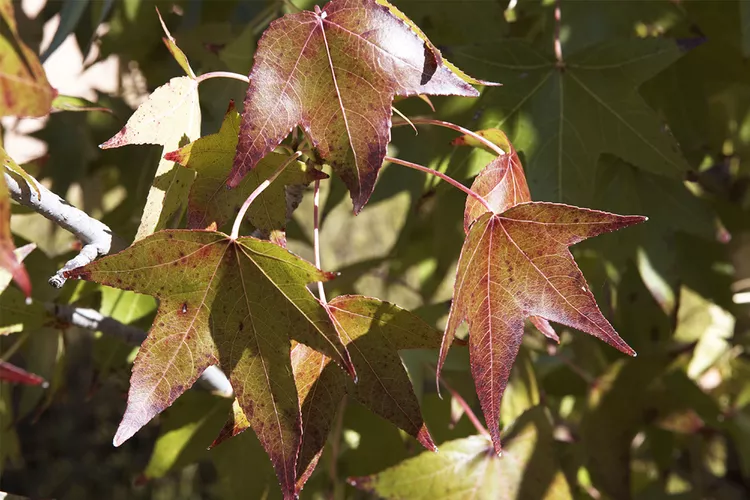
Sweet gum trees (Liquidambar styraciflua), also called sweetgum trees, are known for their distinctive, five-pointed glossy green leaves that turn yellow, gold, red, pink, and purple in fall, as well as the large number of spikey seed gumballs they produce each year. Sweet gum trees are native throughout the eastern U.S. to central Florida and east Texas. The fall color of this tree still develops without cold temperatures in warmer climate areas.

A sweet gum grows rapidly, forming a straight, tall trunk early on before becoming broader and functioning as an excellent shade tree. This attractive deciduous tree isn’t as popular as it once was due to its reputation for being messy. The spikey seed pods can be a problem in lawn and patio areas by making foot traffic difficult. However, some seedless cultivars are available.

Sweet Gum Overview

Genus Name Liquidambar styraciflua
Common Name Sweet Gum
Additional Common Names Sweetgum, Redgum, Red sweet gum, American sweet gum
Plant Type Tree
Light Sun
Height 60 to 80 feet
Width 40 to 60 feet
Flower Color Yellow
Foliage Color Blue/Green
Season Features Colorful Fall Foliage, Winter Interest
Special Features Attracts Birds, Fragrance, Low Maintenance
Zones 5, 6, 7, 8, 9
Propagation Seed
Problem Solvers Deer Resistant

Where to Plant Sweet Gum

Plant sweet gum in full sun to partial shade in USDA Hardiness Zones 5 to 9. It grows best in neutral to acidic soil that is moist but well-draining. Choose an uncrowded space; these trees need a large area for root development. And place them where their gumballs won't become annoying when they fall to the ground.

How and When to Plant Sweet Gum

Plant sweet gum trees in spring. This is a shallow-rooted tree, and the roots need several months to recover from transplanting. Choose a balled and burlapped tree because of the shallow root system. The roots use that first growing season to become established.

Plant young trees in holes dug to the same depth as the root ball is high and half again as wide. Remove any protective cover, but leave the burlap in place until the tree is positioned in the hole. Then, cut away as much of the burlap as possible and backfill the hole, watering when the hole is half full. Top the soil with 2 to 3 inches of mulch.

Sweet Gum Care Tips

Light

full-sun location is best for sweet gum trees, but they tolerate light shade.

Soil and Water

Plant sweet gum trees in consistently moist, but well-drained soil that has an acidic or neutral pH. Apply supplemental water to the new plants the first year, being sure that dry soil receives water. Water these shade trees during drought to prevent dieback.

Temperature and Humidity

Sweet gum trees prefer a temperature range from 50°F to 100°F and can experience some dieback in colder weather. The tree is hardy to Zone 5 but benefits from the protection of several inches of mulch for its shallow roots in the coldest parts of its range. The tree tolerates heat and humidity well.

Fertilizer

In spring, fertilize sweet gum trees with a layer of compost or a balanced, slow-release granular fertilizer according to package directions. Add the compost or fertilizer to the top of the soil and water it. Don’t dig it in; you might damage the shallow roots.

Pruning

Prune the tree in mid-to-late summer to remove any low-growing branches to make mowing easier. Remove damaged and dead branches when you see them.

Pests and Problems

Sweet gum is a target of spongy moths, but most other insects and diseases seldom affect the tree. Drought and cold temperatures can do some damage to the tree too. In soils that aren't acidic enough, sweet gum can become chlorotic, a condition where the tree can't take up enough nutrients so leaves start yellowing.

How to Propagate Sweet Gum Trees

Collect the gumballs in early fall before they open. Put them in a tray and wait for them to open and release their seeds, which usually takes about a week. The seeds can be stored in the refrigerator until needed. Sweet gum tree seeds need a 30-to-60-day period of cold stratification. Then, they can be planted in nursery containers in a sheltered area to produce seedlings.

Types of Sweet Gum Trees

'Burgundy'

The leaves of Liquidambar styraciflua ‘Burgundy’ turn a bright reddish purple in the fall. It is not as cold hardy as the species tree but grows well in Zones 6-9. It is particularly well adapted to the Deep South.

'Gold Star'

Liquidambar styraciflua ‘Gold Star’ produces a lovely yellow fall color. This tree is narrower than the species and grows up to 60 feet tall. It's cold-hardy to Zone 5 and provides an attractive vertical accent to the landscape.

'Rotuniloba'

Liquidambar styraciflua ‘Rotundiloba’ grows 60 to 75 feet high and 20-30 feet wide in Zones 5-9. The foliage turns yellow to burgundy in the fall. This tree does not set fruit, so it is a particularly good choice for homeowners who don't want to deal with gumballs.
Frequently Asked Questions

  • Do sweet gum trees have wildlife value?

    Many birds, such as mourning doves, finches, quail, turkey, Eastern towhees, Carolina chickadees, slate-colored juncos, and white-throated sparrows feed on the seeds of sweet gum trees. Small mammals such as chipmunks and squirrels also eat the seeds. Many moth species, including the luna moth, use the sweet gum as a larval host plant.

  • Where does the sweet gum tree get its name?

    The common name sweet gum refers to the aromatic gum that oozes from wounds on the tree.

Related Article

Growing Tomatoes Upside Down—Here's What You Need to Know
1.5K
92
13

Growing Tomatoes Upside Down—Here's What You Need to Know

An upside down tomato planter can be a fun way to grow tomatoes. Get essential tips for growing tomatoes upside down, including the best container to use, types of tomatoes to grow, and how to care for your plants.
How to Grow Catnip Indoors and Outdoors
40.4K
2.8K
1.3K

How to Grow Catnip Indoors and Outdoors

Catnip is a simple herb to grow indoors and outdoors. Here's how to grow catnip and provide proper care so the plant thrives.
How to Plant a Wheelbarrow Fairy Garden
12.7K
885
283

How to Plant a Wheelbarrow Fairy Garden

Create a charming miniature landscape in a vintage wheelbarrow that you can move about as you like.
26 Tiny Plants Perfect for Miniature Landscaping
47.6K
2.9K
1.4K

26 Tiny Plants Perfect for Miniature Landscaping

Create a miniature plant garden by finding out how to pot your tiny plants based on light and zone. See our list of small plants perfect for your containers.
36 Container Garden Ideas to Inspire Your Own Pretty Plantings
21.5K
1.1K
172

36 Container Garden Ideas to Inspire Your Own Pretty Plantings

Use these container garden ideas to create the best-designed planter for your patio, window box, or other container planting.
8 Colorful Flowering Shrubs to Grow for Cut Flowers
9.3K
370
118

8 Colorful Flowering Shrubs to Grow for Cut Flowers

These flowering shrubs not only look gorgeous in your garden, but their flowers can fill your vases for weeks.
How to Plant and Grow Poplar Trees
42.9K
3K
1.5K

How to Plant and Grow Poplar Trees

Straightforward details about planting and growing several types of poplar trees.
19 Flowering Succulents to Grow for Their Stunning Blooms
44.1K
4.4K
926

19 Flowering Succulents to Grow for Their Stunning Blooms

These flowering succulents will fill your home and garden with colorful petals, and most are easy to grow.
4 Expert Tips for When and How to Cut Tulips in Your Garden
14.2K
1.4K
254

4 Expert Tips for When and How to Cut Tulips in Your Garden

Find out when and how to cut tulips and the best way to care for them so they last as long as possible.
How to Grow and Care for Satin Pothos
28.3K
2.3K
565

How to Grow and Care for Satin Pothos

Satin pothos is a popular vining houseplant that loves bright, indirect light. Place it on a mantel, shelf, or desk, and let the vines cascade.
Why Are My Plant’s Leaf Tips Brown? Here Are 3 Possible Reasons
41.6K
2.9K
1.1K

Why Are My Plant’s Leaf Tips Brown? Here Are 3 Possible Reasons

When foliage looks dry and there are brown tips on plants, it’s a warning sign that something needs to change with your care regimen. Here’s how to troubleshoot the problem and prevent it from happening in the first place.
This Bold Shade Garden Plan Brims with Color and Texture
5.4K
483
86

This Bold Shade Garden Plan Brims with Color and Texture

This bold shade garden plan contains gorgeous foliage and flowers that don't need a lot of sun.
This Cold-Climate Shade Garden Plan Features Colorful Perennials
37.5K
1.1K
112

This Cold-Climate Shade Garden Plan Features Colorful Perennials

Even if your winters bring sub-zero temperatures, the tough plants in this simple design will help you spice up a shady spot in your yard.
How to Keep Chipmunks Out of the Garden—and Squirrels, Too
5.6K
389
58

How to Keep Chipmunks Out of the Garden—and Squirrels, Too

Here's how to keep chipmunks out of your garden and stop them (and squirrels) from eating your plants and flowers.
12 Plants with Colorful Leaves for Brightening Up Your Garden
7.5K
525
78

12 Plants with Colorful Leaves for Brightening Up Your Garden

These annuals, perennials, vines, and shrubs have colorful leaves that won't fade like flowers.
18 Native Plants with Year-Round Interest for a Continuously Beautiful Garden
17.4K
1.4K
334

18 Native Plants with Year-Round Interest for a Continuously Beautiful Garden

These native plants help keep your gardening looking good through the seasons.
What Is a Permaculture Garden? Plus 12 Tips for Planting Your Own
30K
1.8K
287

What Is a Permaculture Garden? Plus 12 Tips for Planting Your Own

With these 12 tips on how to grow a permaculture garden, you can streamline garden chores, improve the soil, and grow healthier plants.
Use a Color Wheel to Plan Your Garden
35.7K
356
178

Use a Color Wheel to Plan Your Garden

Create a flower color wheel for your garden as you explore your plant color palette. It's the perfect meeting of gardening and decor! We'll help you discover how to use complementary, analogous, cool, warm colors, and more!
Visiting the Better Homes & Gardens Test Garden®
29.1K
873
279

Visiting the Better Homes & Gardens Test Garden®

The BHG Test Garden is a beautiful green space that has something to see in all seasons.
6 Must-Know Tips for Buying Garden Seeds to Grow Veggies and Flowers
1.9K
131
14

6 Must-Know Tips for Buying Garden Seeds to Grow Veggies and Flowers

When buying garden seeds, use these tips to make smart selections from seed catalogs and garden stores.